

Company Energy Audit - obligation
with savings potential
The Company Energy Audit is a comprehensive and extensive study aimed at the long-term energy optimization of a company and the development of a zero-emission strategy.
Which companies are required to conduct an audit?
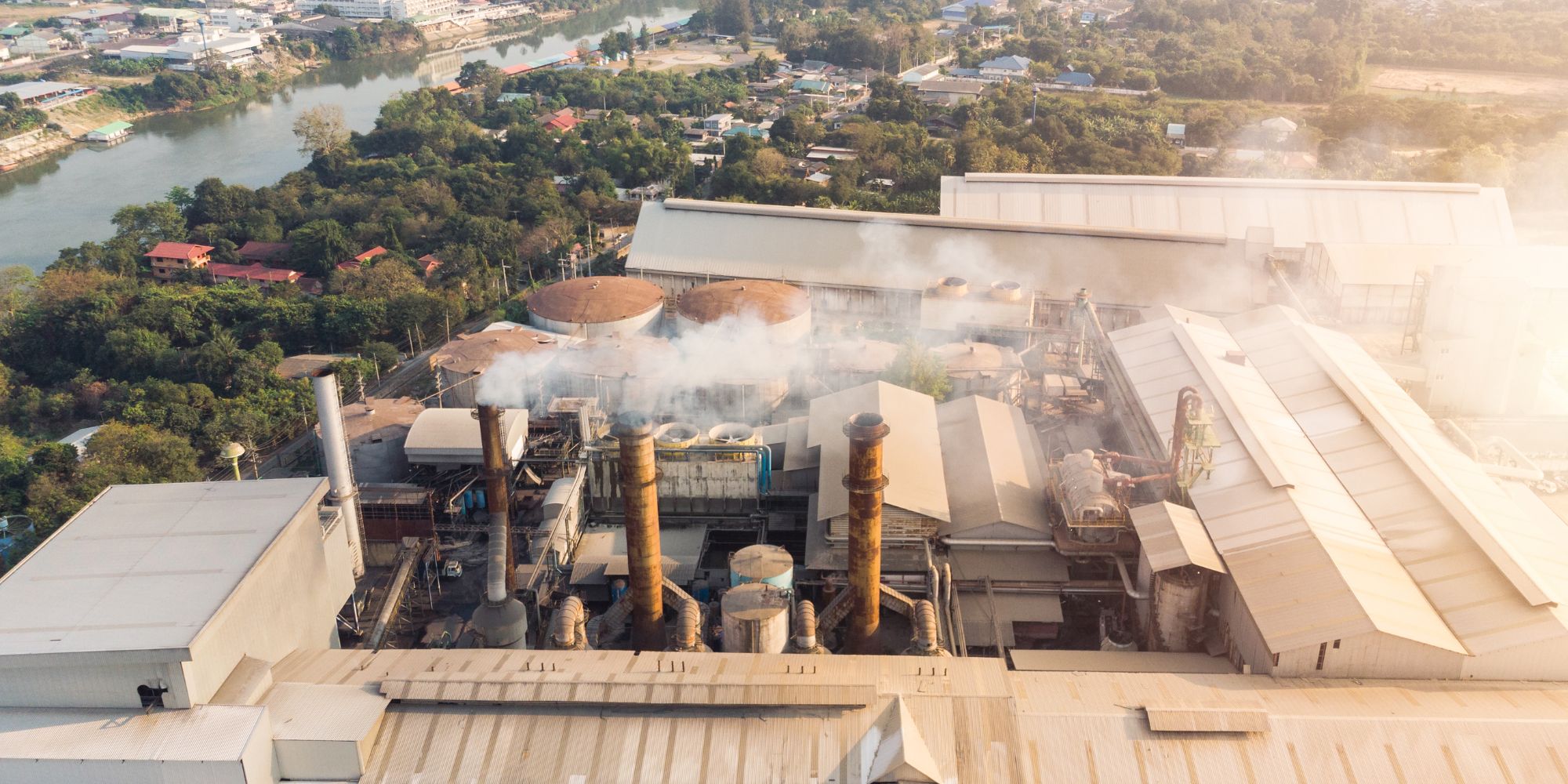
Energy audits for enterprises were introduced as a mandatory requirement under the Energy Efficiency Act in 2016. The key indicator is the average annual energy consumption over the last three years, calculated cumulatively for all energy carriers. The EU Directive 2023/1791 (in the process of implementation in Poland, draft UC77) indicates two thresholds:
- More than 10 TJ per year (10 terajoules ≈ 2.78 GWh) enterprises exceeding this threshold that have not implemented an energy management system are required to carry out an energy audit,
- More than 85 TJ per year (85 terajoules ≈ 23.61 GWh) enterprises above this level must implement an energy management system compliant with ISO 50001 or an equivalent standard, certified by an independent body.
Companies consuming more than 10 TJ per year (under the new obligation effective from October 2025) must complete their first mandatory energy audit by 11 October 2026.
Companies consuming more than 85 TJ per year must implement an ISO 50001–compliant energy management system by 11 October 2027.
Company Energy Audit is mandatory, but it is a huge opportunity for companies to find cost-effective ways to reduce their energy intensity and CO2 emissions!
Contact usHow we work
The opening
meeting
- identification of processes and needs
- energy balance
- familiarization with energy policy
- review of applied technologies
The on-site
inspection
- energy sources
- energy distribution system
- buildings and infrastructure
- technological processes
- transport
data
analysis
- verification of collected data and information
- data analysis
- analysis of possible actions
- assessment of environmental impact
- assessment of modernization profitability
results
presentation
- presentation of feasible energy-saving modernizations
- recommendations for further actions
- offer for implementation a modernization and its financing
Key areas of audits
Energy
sources
Electro-energy
infrastructure
Buildings and internal
networks
Technological
processes
Why commission
the Company Energy Audit with DB Energy?
1. Expert knowledge and experience
DB Energy is a leader in the energy efficiency sector with over 15 years of experience and more than 300 audits completed. We serve companies in energy-intensive industries such as chemical, food, automotive, and many others.
2. Individual approach
In 97% of projects, we identify savings that exceed our clients’ expectations. Each audit is tailored to the specifics of your business, maximizing potential energy savings.
3. Comprehensive service
We manage the process from start to finish: from analysing energy consumption and identifying issues to implementing our recommendations. 85% of our clients also choose to continue working with us on modernization project implementation.
4. Access to modern technologies
We use advanced measurement devices and analytical models that allow precise identification of areas where you can save up to 20% of energy costs.
5. Turnkey projects
With the EPC (Energy Performance Contracting) model, you minimize investment risk—you pay for the project from the savings it generates. The average payback period for our projects is three years.
6. Support in securing financing
Over the past five years, our audits have enabled clients to secure more than PLN 100 million in funding for energy modernization projects. We prepare all the necessary documentation for applications to national and EU funding programs.
7. Transparency and accuracy
Reports prepared by DB Energy include detailed analyses and forecasts that enable management to make data-driven decisions. One of our clients achieved annual energy savings of up to PLN 2.5 million.
8. High-quality guarantee
We partner with leading companies such as Schumacher Packaging, Sokołów, Cementownia Górażdże, BASF, and Procter&Gamble, reflecting our proven effectiveness and the trust of the major market players.
9. Expertise in market trends and regulations
We continuously monitor legal and regulatory changes, such as updates to the Energy Efficiency Act or ISO 50001 standards, ensuring your company stays fully compliant.
10. Partnership-oriented approach
We don’t just deliver audits – we partner with you to implement energy efficiency improvements.
We reduce energy consumption across all industries
Mining industry
28%
Food industry
20%
Wood, paper, and chemical industry
26%
Construction and infrastructure
24%
Metallurgical industry
22%
Audits are an essential part of the process to improve energy efficiency
What will you find in the report?
Introduction - purpose of the audit, description of the facility and the equipment used
Methodology - description of indicators, how they are measured, and calculation formulas
Facility energy balance - summary of energy consumption in the last year and determination of the facility's energy efficiency indicators, comparison of obtained values with reference values
Audit of electricity, heat, and cooling sources - description of the current state and potential for efficiency improvement
Audit of buildings and distribution networks (heat, cooling) - description of the current state and update of efficiency improvement potential (in light of implemented PSPEE – Projects for Improving Energy Efficiency)
Audit of buildings and networks (electricity) - description of the current state and update of efficiency improvement potential (in light of implemented PSPEE – Projects for Improving Energy Efficiency)
Audit of technological processes - description of the current state and update of efficiency improvement potential (in light of implemented PSPEE – Projects for Improving Energy Efficiency)
Energy audit of transport - description of the current fleet status and its utilization efficiency along with recommendations to reduce fuel consumption.
Summary of audit findings with recommendations for implementing projects aimed at improving energy efficiency (PSPEE)
From audit to completed project delivery

Schumacher Packaging – from an audit to modernization of the CHP plant and savings of PLN 20 million

Soufflet Poland malt house – from an audit to 40% reduction in emissions
