Knowledge base

Energy storage in industry – implementation and use cases

As the share of renewable energy sources in companies’ energy mixes continues to grow, energy storage systems are becoming increasingly important as a tool for improving the efficiency of energy use, supply stability, and operational flexibility. Energy storage is no longer merely an add-on to renewable installations – it is increasingly becoming a core component of energy infrastructure, enabling cost reductions, limiting the impact of volatile energy prices on operations, and supporting the achievement of net-zero targets.

Read more

Trends for 2026 – energy, security, and technology

The year 2025 brought a sharp shock to global supply chains and commodity prices, while at the same time forcing companies to reassess their existing energy assumptions. High import tariffs introduced by U.S. President Donald Trump on goods from countries such as China, Canada, and Mexico also covered key energy raw materials and components, driving up the costs of raw materials, equipment, and technologies used, among others, in the energy sector.

Read more

Upcoming changes to the Energy Efficiency Act

The year 2026 will bring one of the most significant updates to Poland’s energy efficiency framework in recent years. This is primarily driven by the obligation to transpose EU Directive 2023/1791 into Polish law, with the implementation deadline set for 11 October 2025. The amendment to the Energy Efficiency Act (EEA), announced in the government draft UC77, is expected to fundamentally reshape the rules for auditing, reporting and achieving energy savings in industry.

Read more

Wind energy

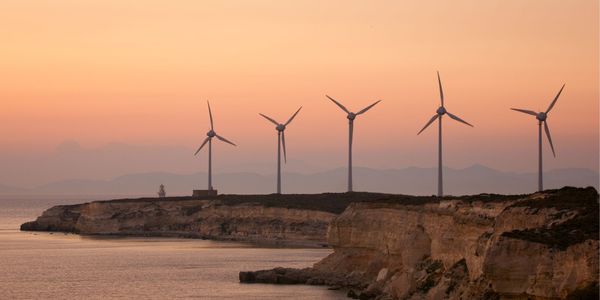
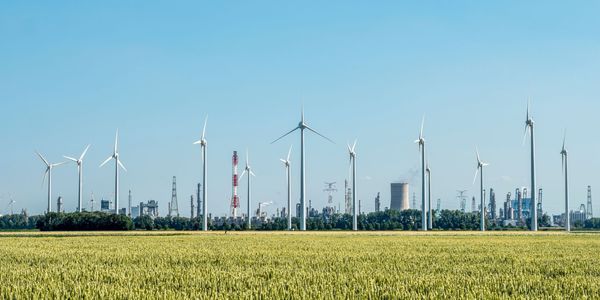
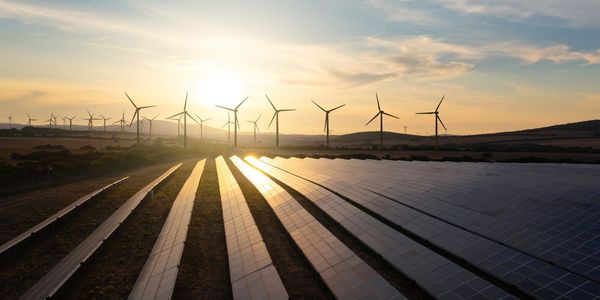
Under current market conditions, wind energy is an important technology for industrial companies. It helps stabilise energy costs through long-term PPA contracts, supports environmental goals, and boosts production competitiveness—provided the contract is properly structured and the company manages its energy consumption profile effectively. Combined with the development of new wind projects and growing availability of green power, it represents one of the key pathways in the energy transition of Polish industry. An increasing number of companies, including those in the industrial sector, are now exploring investment in their own wind sources or long-term contracts for energy supply from wind farms.

Read more

ESCO model in practice

As the steadily growing number of projects delivered under the ESCO model shows, more and more companies are looking for ways to implement energy upgrades without burdening their investment budgets. One of the most interesting solutions of this kind is the ESCO model (Energy Saving Company) - a form of cooperation in which an external partner designs, finances, implements, and maintains an energy-efficient investment, while the Client repays it from the savings generated. This enables companies to carry out an energy transition without committing their own capital (CAPEX) and while transferring the risk of not achieving the expected results to the ESCO company.

Read more

Industrial decarbonisation – how to reduce emissions in a cost-effective way

Industrial decarbonisation is one of the most important challenges the economy will face in the coming decades. In Poland, where the industrial sector accounts for a significant share of national greenhouse gas emissions, the energy transition is not only crucial for environmental reasons but also essential for maintaining competitiveness and cost stability across enterprises. Although decarbonisation is often associated with high investment costs, in reality - when approached with the right technological and financial strategy - it can generate substantial savings and long-term economic benefits.

Read more

Digital twins – the virtual model of your enterprise

Digital twins are among the most groundbreaking industrial technologies of recent years. Their growing popularity stems from the ability to replicate the physical world in a digital environment and analyze the behavior of equipment, installations, and processes under various operating conditions. By combining data from sensors, automation systems, and predictive analytics, a digital twin enables continuous observation and optimization of how an enterprise operates. As a result, such models support energy efficiency management, maintenance operations, and production optimization.

Read more

Organic Rankine Cycle (ORC)

The Organic Rankine Cycle is a heat recovery method that allows for the efficient use of waste heat and low-temperature energy sources to generate electricity. ORC installations enhance energy efficiency, reduce energy costs, and contribute to the reduction of CO₂ emissions. The Rankine Cycle is a classic thermodynamic process used in steam power plants, in which water is heated to steam and then drives a turbine. In the Organic Rankine Cycle, however, organic fluids with a lower boiling point are used instead of water. This makes it possible to utilize heat sources with much lower temperatures - even in the range of 80–350°C - which would be insufficient for conventional steam power plants.

Read more

How to maintain production continuity in an industrial plant?

Ensuring production continuity in industry is arguably the most critical aspect of managing a manufacturing facility. Every downtime event is tied to tangible financial losses, often exceeding hundreds of thousands of euros, and carries the risk of dissatisfied customers. For industrial companies, production continuity means the ability to fulfill orders without interruption - regardless of operational issues, machine failures, or energy supply disruptions.

Read more

SCADA – what is it and how does it support energy efficiency?

SCADA (Supervisory Control and Data Acquisition) is one of the essential tools in modern industry and energy management. This system enables remote supervision of technological processes, real-time data collection, and decision-making based on analyzed information. With SCADA, manufacturing plants, power grids, or water supply systems can operate more reliably, efficiently, and safely. Importantly, SCADA is increasingly being used to support energy efficiency goals.

Read more

Energy efficiency of HVAC systems

HVAC systems (Heating, Ventilation, and Air Conditioning) ensure thermal comfort and proper air quality indoors. They are also responsible for maintaining stable technological conditions, which directly affect production efficiency and workplace safety. In some cases, they also account for a significant share of total energy consumption in facilities. Optimizing these systems is not only a way to reduce energy costs but also a key element of strategies aimed at improving energy efficiency and reducing greenhouse gas emissions.

Read more

Off-grid – own energy sources

Off-grid energy sources operating in an off-grid or island configuration are gaining popularity as a solution for facilities striving for energy independence and power security. They enable continuous operation even in the event of a power outage, and thanks to the diversification of power sources, they offer partial independence from fluctuating grid prices. Although implementing an off-grid system requires careful planning and analysis of energy needs, in the long term it translates into greater stability, control over energy consumption, and resilience to external disruptions.

Read more

Where to obtain financing to implement the projects indicated in the company energy audit?

Energy audits of enterprises are a legal requirement for large companies, and soon also for SMEs. Above all, however, an audit is a tool that identifies the potential for improving energy efficiency. It should include specific technical and organizational actions that can reduce energy consumption, cut emissions, and deliver tangible economic benefits. Yet the process does not end there – equally important is the implementation of the recommended solutions, which can be costly and complex. Even if a company has a sufficient own budget for energy-saving investments, additional financing is always welcome.

Read more

For what projects can you receive white certificates?

White certificates are energy efficiency certificates granted for completed actions that lead to a permanent reduction in final energy consumption. They serve as a systemic support instrument for projects increasing energy efficiency and operate within the energy efficiency certificate system. These certificates take the form of securities and can be sold on the Power Exchange (TGE), providing a real financial benefit to the company. White certificates can be obtained for various energy efficiency actions, but not for all and not in every case.

Read more

What is Fit for 55 and how does it affect Polish industry?

Fit for 55 is a package of European Union regulations aimed at achieving a reduction in greenhouse gas emissions by at least 55% by 2030 compared to 1990 levels. It is a key component of the European Green Deal, which sets the goal of achieving climate neutrality by 2050. Fit for 55 includes changes to regulations on emissions trading, energy efficiency, renewable energy sources, and transport. It also introduces new support mechanisms and financial assistance programs across the European Union.

Read more

"Energy Efficiency Above All" – draft amendment to the Energy Efficiency Act

Almost every industrial plant in Poland has already encountered increasingly stringent regulations concerning the reduction of greenhouse gas emissions and the improvement of energy efficiency. In this context, the Ministry of Climate and Environment has presented a summary of the draft amendment to the Energy Efficiency Act and certain other acts (project number: UC77). The aim of the amendment is to align the Polish legal system with the EU requirements regarding energy efficiency, as well as to introduce solutions that support the achievement of climate goals and improve the competitiveness of the energy market.

Read more

Typical payback periods of energy-saving technologies - an overview of solutions for industry

Investments in technologies that increase energy efficiency, such as cogeneration, heat pumps, compressed air production management systems, photovoltaics, LED lighting, and energy-efficient electric drives, bring a variety of benefits — from reducing operating costs, through improving power supply reliability, to lowering CO₂ emissions. Typical payback periods range from 2 to 5 years, making these technologies profitable both in the short and long term. The decision to choose the right solution should be preceded by a detailed analysis of the company’s needs, which DB Energy offers as part of its energy audits. The final choice of technology depends on the specific requirements and conditions of the enterprise, but one thing is certain — investments in energy efficiency always bring returns. Let’s take a closer look at some key solutions used by manufacturing companies and their typical payback periods.

Read more

How to effectively manage reactive power?

Reactive power is a form of electrical energy that does not perform useful work but is essential for the operation of industrial equipment and for maintaining the electromagnetic field in alternating current (AC) circuits. This type of energy is not consumed in the traditional sense – it does not convert into heat, light, or motion – but rather “circulates” between the grid and devices, placing an additional load on the power infrastructure. Although often underestimated, reactive power significantly affects operational costs, system efficiency, and the reliability of the power network. Proper reactive power management not only helps avoid additional charges but also enhances the overall efficiency of the electrical infrastructure.

Read more

What does an on-site inspection look like during an audit?

The on-site inspection is one of the most important stages of an energy audit in an industrial facility. It is during the direct visit to the site that auditors can become familiar with the actual course of production processes, installations, and the way energy media are managed. Without it, it is difficult to accurately assess the potential for improving energy efficiency. In this article, we will explain what exactly an on-site inspection is, how it is carried out, who should participate in it, and which elements are analyzed during the process. We will draw on our experience from over 1,500 audits conducted in production facilities – including both enterprise energy audits and Walk-Through audits.

Read more

Net-zero strategies in industrial plants – how to plan and implement them effectively?

Industrial plants, responsible for a significant share of greenhouse gas emissions in Europe, are increasingly faced with the need to develop net-zero strategies that will help them reduce their carbon footprint, improve energy efficiency, and maintain competitiveness. Implementing net zero is a long-term process in which a thorough emissions audit, a realistic data-driven action plan, the selection of appropriate technologies, and continuous progress monitoring all play a crucial role. We explain what a net-zero strategy is, what stages it involves, and which technologies and tools should be used to implement it successfully.

Read more

Predictive diagnostics of drives

The continuity of production, process safety, and energy efficiency depend on reliable drives in industrial plants and their performance. An increasing number of companies are therefore adopting modern drive diagnostics, which, when properly implemented, can not only prevent failures but also significantly reduce energy consumption. As part of our activities, the DB Energy team performs diagnostics and measurements that support the analysis of failures, damages, and the energy efficiency of drive systems. let’s take a closer look at diagnostic systems and ways to use them in practice.

Read more

Electrification of industry - the first step toward zero-emission and lower-cost production

Rising gas and coal prices, regulatory pressure from the EU ETS system, and increasing expectations from customers and investors regarding ESG are driving more and more industrial companies to seek ways to permanently reduce emissions and energy costs. Electrifying industrial processes - that is, replacing fossil fuel-based technologies with electricity-powered equipment - is becoming a natural and cost-effective direction for transformation. It’s a step toward decarbonization and regulatory compliance, as well as an opportunity to gain energy independence through the use of on-site energy sources.

Read more

Heat pumps in industry – how they work and where they are effective

Heat pumps are increasingly appearing not only in residential construction but also in the industrial sector. Their growing popularity stems from the need to reduce energy costs, improve energy efficiency, and lower CO₂ emissions. A heat pump produces heat with potentially high parameters by using low-parameter heat from a lower source and electrical energy. It extracts heat from the environment - such as the ground, air, water, or waste heat - and raises its temperature through the thermodynamic work of a gas compressed by an electric compressor, which then transfers the heat to the heat exchangers of a heating or technological installation.

Read more

Changing thermal energy sources from fossil fuels to renewables

Thermal energy sources in industry are the foundation of operational activities for many companies and have a significant impact on emission levels and energy efficiency. Although fossil fuels still dominate in many sectors, the importance of renewable thermal energy sources and heat recovery technologies is gradually increasing. Changing heat sources is not only a step towards climate neutrality but also a real opportunity to optimize costs, increase energy independence, and improve a company’s competitiveness. For many industrial plants and combined heat and power (CHP) plants, this is the starting point for implementing energy transition and decarbonization strategies.

Read more

How can industrial plants protect themselves against blackouts?

A blackout is a real threat to industrial facilities, one that can lead to significant losses and major production disruptions. Downtime caused by a power outage can result in enormous, multimillion-dollar financial losses, equipment damage, and even pose risks to people and the environment. Modern technologies can help mitigate some of its consequences. In this article, we’ll explain how industrial companies can protect themselves by combining backup power sources, intelligent control systems, and a well-planned business continuity strategy.

Read more

EcoVadis for industrial companies – what is it, how does it work, and how to earn a medal?

EcoVadis is one of the most important international sustainability assessment systems for companies. More and more B2B companies treat the EcoVadis rating as a key criterion when selecting suppliers and business partners. It is currently one of the most recognized tools for evaluating companies in terms of ESG. Earning a medal is not only prestigious, but also a practical confirmation that the company operates in a responsible and modern manner. For many organizations, it is the key to winning new contracts, building reputation, and long-term competitiveness. In this article, we explain what EcoVadis is, who can receive recognition, what types exist, how to prepare for the assessment, and what benefits and challenges come with it.

Read more

Carbon capture technologies

One of the solutions supporting the global process of emission reduction is carbon capture (CO₂) technology, which is gaining importance in many energy-intensive industries. Although its implementation currently involves high costs and technical challenges, it holds great potential—especially in sectors where emissions cannot be eliminated in any other way. With the advancement of technology and the support of climate policies, its role in industry will continue to grow. What exactly is CO₂ capture technology, how does it work, and is it worth implementing in industrial plants?

Read more

Biogas plants – how do they work and where can they be used?

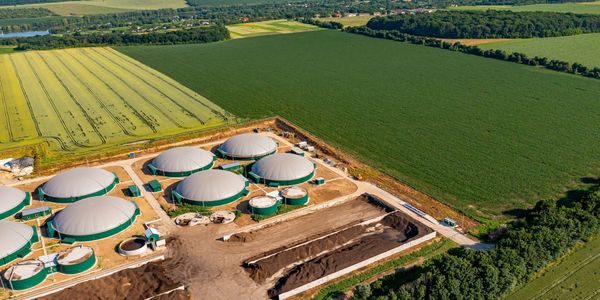
A biogas plant is a modern, environmentally friendly energy solution that aligns with the goals of sustainable development and the circular economy. When combined with biogas cogeneration, biogas plants become an efficient energy source for industry and agriculture—especially in areas where organic substrates are available and there is local demand for heat. These modern facilities not only enable the management of organic waste but also offer an efficient and climate-neutral way to produce heat or electricity through cogeneration. Let’s take a closer look at how biogas plants work and where they can be used cost-effectively.

Read more

Company energy audit – new audit obligations

A company energy audit is a detailed analysis of a company’s energy consumption, aimed at identifying areas where savings can be made and energy efficiency improved. It is not only a legal requirement, but also a strategic tool that enables the optimization of various energy sources. During the audit, processes, technologies, and areas where energy efficiency measures can be implemented are examined. Conducting the audit is a fundamental element of the strategy for companies striving to reduce greenhouse gas emissions and achieve sustainable development.

Read more

Emission offsetting in industry – an effective solution or a facade of sustainability?

For over a decade, Polish and European industry has been facing a major challenge: reducing greenhouse gas emissions. The prospect of new, increasingly stringent regulations and programs calls for urgent action towards decarbonisation. Where emissions cannot be completely eliminated, so-called emission offsetting is becoming an increasingly common topic. What exactly is emission offsetting? What are its methods, advantages, and limitations? And is it truly an effective tool in the fight against climate change, or rather a form of greenwashing? We will try to answer these questions, paying particular attention to the context of industrial and energy-intensive companies.

Read more

Heat recovery from flue gas – how it works and when it’s worth it

Heat recovery is one of the solutions that significantly improves energy efficiency. Heat can be recovered from many sources - in this article, we will focus specifically on heat from flue gas. Flue gas, which is normally lost, contains a substantial amount of thermal energy that can be reused, reducing fuel consumption and operating costs. High-temperature flue gas allows for electricity generation, while at lower temperatures the heat can be used for heating water or air. Let’s take a closer look at various technologies and possibilities in the context of heat recovery from flue gas.

Read more

Are electric cars more environmentally friendly than combustion engine vehicles?

Electric cars are gaining popularity as an environmentally friendly alternative to combustion engine vehicles. Their increasing presence on the roads is driven by the goal of reducing greenhouse gas emissions and finding more sustainable transport solutions. Electric cars are often presented as a greener option, but their actual environmental impact depends on many factors. In countries where electricity comes mainly from renewable sources, they can indeed help reduce CO₂ emissions. However, in Poland, where a significant share of electricity is still generated from coal, their environmental friendliness is debatable. Additionally, the production and disposal of batteries place a considerable burden on the environment.

Read more

How does photovoltaics work, and is it still a profitable investment?

Photovoltaics is one of the most widespread renewable energy technologies, which has gained popularity in recent years, especially among individual users. Its somewhat tarnished reputation stems from the aggressive sales tactics used by some companies, relying on persistent contact and pressure to buy panels. Despite this association, it is still worth considering photovoltaics and other renewable energy technologies. They represent the future of the industrial sector and many other areas of the economy. But is photovoltaics still profitable today, and does the use of solar panels make sense for large companies?

Read more

How to optimize cooling systems in industry?

Optimizing the operation of cooling systems in industrial facilities is one of the key elements for improving energy efficiency, reducing operating costs, and contributing to the company’s sustainable development. Industrial cooling systems are used across many sectors, including the food, chemical, energy, metallurgical, and pharmaceutical industries, where temperature control is crucial for product quality, process safety, and compliance with environmental standards.

Read more

Which audit to choose first? A comprehensive guide for industrial companies

Energy efficiency is one of the key elements of competitiveness for industrial enterprises. Rising energy prices, legal regulations, and increasing pressure to reduce emissions are prompting more and more companies to consider conducting an energy audit. The problem is that choosing the right type of audit can be a challenge. Many companies make decisions without full awareness, limiting themselves to meeting only the minimum legal requirements - which, in the long run, can lead to losses.

Read more

The future of fossil fuels in Poland and Europe

Fossil fuels have played a key role in the development of the European and global economy, but their era is likely coming to an end. Rising emission costs, aging infrastructure, and the global decarbonization trend indicate that further long-term investment in high-emission energy sources is not a profitable path. Allocating resources to the green transition is not only a way to avoid the risks associated with fossil fuels, but also an opportunity to build a modern, sustainable economy based on innovation and clean energy. In Poland in particular, balancing the transition will be crucial to reconcile climate goals with the needs of industry and society.

Read more

What you need to know about SMRs – small modular reactors

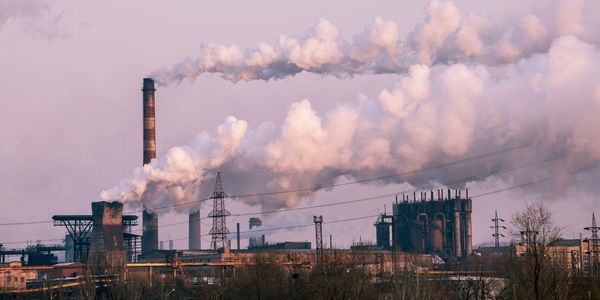
Small modular reactors (SMRs) are one of the most advanced solutions in nuclear energy, gaining increasing interest worldwide. In an era of global energy transformation and efforts to reduce carbon dioxide emissions, SMRs offer unique opportunities for flexible, safe, and efficient power generation. In this article, we take a closer look at what SMRs are, their advantages and disadvantages, where they can be used, the costs associated with their construction, and the permits required to carry out such projects.
Read more

EU ETS – Emissions Trading System in the European Union

The European Union Emissions Trading System (EU ETS) is one of the key climate policy instruments of the European Union, aimed at the gradual reduction of greenhouse gas emissions. By promoting innovation and cost efficiency, the EU ETS has become one of the most important components of the EU’s strategy to combat climate change. For Polish companies, particularly those in energy-intensive industries, the EU ETS presents both a challenge and an opportunity for growth towards sustainable development and pro-environmental innovation.
Read more

Walk-Through Audit – the first step toward cost-effective decarbonization

To begin the process of optimizing energy consumption, it is essential to conduct a reliable analysis of the potential for savings and emission reductions. The Walk-Through Audit offered by DB Energy is an effective tool that enables companies to quickly and cost-efficiently identify the full range of actions leading to reduced energy use and greenhouse gas emissions. This audit provides a preliminary action plan that can result in significant energy and cost savings. It also serves as an excellent starting point for further steps in decarbonization, energy transformation, and building a development strategy based on sustainability and climate neutrality.

Read more

How to effectively control electric drives?

Electric drives are one of the most important components of modern industrial facilities. They account for as much as 70% of total electricity consumption in the manufacturing sector. A key element of their efficient operation is control systems, which enable the optimization of motor parameters and entire drive systems. The implementation of modern solutions in this area allows for significant energy savings, improved process quality, and increased reliability. In this article, we will explain what electric drive control systems are, how they are used in industry, what benefits and limitations they present, and how they can effectively support the optimization of production processes.

Read more

Trends in industrial energy for 2025

In 2025, the industrial sector will witness numerous changes that will shape the entire industry, both nationally and internationally. The growing importance of renewable energy sources, alongside the decline of many technologies and the return to a fossil fuel–based resource policy in the United States, the development of energy storage, hydrogen technologies, artificial intelligence, and smart energy grids are just some of the trends that will shape the future of industrial energy.

Read more

Quick savings or waiting for a grant? Analyze it!

Many entrepreneurs, when planning modernization projects, consider the timing of implementing energy efficiency investments. On one hand, there is the prospect of funding from various sources, which can significantly reduce the project’s initial cost. On the other hand, it is worth considering whether waiting for these funds may lead to greater losses resulting from the lack of implementation of energy-saving technologies. Every day of delay is a tangible financial loss that could have been avoided.

Read more

How to select a cogeneration unit tailored to an industrial plant's needs?

Choosing the right cogeneration unit is a process that requires technical expertise and a deep understanding of the plant’s specific energy demands. In many cases, incorrect assumptions made during the planning phase can lead to a mismatch in unit capacity or the selection of technologies that fail to meet the plant’s energy requirements. This, in turn, results in suboptimal use of the cogeneration potential and increases the risk that the investment will not deliver the expected outcomes.

Read more

Does energy savings under the law have to mean an actual reduction in energy consumption?

When planning investments to improve energy efficiency, entrepreneurs often wonder whether the President of the Energy Regulatory Office (URE) might still refuse to issue energy efficiency certificates (so-called "white certificates"), despite the implementation of such projects. In other words, if a company invests—often significant amounts—in an energy-saving project, does it have a guarantee of obtaining white certificates that can then be sold on the Polish Power Exchange? These concerns are justified, as in practice, there may unfortunately be cases where the President of URE refuses to grant white certificates.

Read more

Impact of environmental regulations on industrial companies

The green transformation, which forms the foundation of the EU’s climate strategies, is not just a buzzword – it is a broad set of regulations and initiatives that will strongly influence both Polish and foreign companies in the coming years. Regulations such as the European Green Deal, Fit for 55, and the EU ETS system require businesses to implement solutions that reduce CO₂ emissions, improve energy efficiency, and increase the share of renewable energy sources.

Read more

The use of biofuels in industry

An increasing number of industrial companies are seeking alternative energy sources that can help them achieve their energy efficiency and net-zero strategies. One solution that is gaining popularity is the use of biofuels—alternative energy sources based on renewable resources. Biofuels offer the potential to reduce emissions and align with strategies aimed at climate neutrality. In this article, we will outline the types of biofuels, the industrial sectors where they can be used most effectively, the benefits they bring to companies striving for zero emissions, and the challenges associated with their implementation.

Read more

How to obtain funding from the National Recovery Plan?

The National Recovery Plan (KPO) is a strategic document that plays a key role in rebuilding the Polish economy after the COVID-19 pandemic, with a strong focus on green transformation, digitalization, and innovation. Funded primarily by the European Union, the program presents a major opportunity for Polish entrepreneurs—especially those in the industrial sector—to invest in energy efficiency, renewable energy sources (RES), digital transformation, and innovative technologies. Learn how to access funding from the KPO, what its budget and application evaluation criteria are, and who has the best chance of receiving support.

Read more

Can the President of the Energy Regulatory Office refuse to issue white certificates?

When planning investments aimed at improving energy efficiency, entrepreneurs often wonder whether, despite implementing such projects, the President of the Energy Regulatory Office (URE) can refuse to issue energy efficiency certificates (commonly known as “white certificates”). In other words, when investing—often significant amounts—in an energy-saving project, does the investor have a guarantee of obtaining white certificates that can later be sold on the Polish Power Exchange? These concerns are justified, as in practice there may unfortunately be situations in which the President of URE denies the issuance of white certificates.

Read more

National Recovery Plan – an opportunity for industrial support

The National Recovery Plan (KPO) is part of the EU’s strategy for economic recovery following the COVID-19 pandemic. Its main goal is to support digital and green transformation, which Polish entrepreneurs – including representatives of the industrial sector – can also benefit from. In this article, we explain how the KPO can influence the development of industrial companies and what types of investments can be carried out under its framework, with particular focus on energy efficiency and the transition toward zero emissions.

Read more

Who is ESG reporting for, and what does it involve?

The modern industrial market is constantly challenged by high demands for environmental and social responsibility. Companies must respond to the evolving expectations of investors, customers, and legal regulators. One of the key tools that help industrial enterprises demonstrate their commitment to sustainable development is ESG reporting. What is an ESG report, who is required to prepare it, and what benefits can it bring to companies? You will find the answers to these questions in our article.

Read more

Energy efficiency audit and enterprise energy audit

Energy audits play a significant role in the strategies of companies striving to increase energy efficiency, particularly in sectors with high energy consumption. For industrial companies that use significant amounts of energy, these audits not only enable savings but also serve as a tool for obtaining various forms of financial support, such as energy efficiency certificates, known as white certificates. In this article, we will compare energy efficiency audits and energy audits in the context of businesses, highlighting their key differences and importance.

Read more

Decarbonization – what is it and how does it work?

Decarbonization is becoming an increasingly visible element of the strategies of major companies and government policies. Faced with growing climate challenges and tightening environmental regulations, especially companies from energy-intensive industries must address the need to reduce emissions of CO₂ and other greenhouse gases. What exactly does decarbonization mean, and what technologies and regulations support it? What benefits can companies gain by implementing it in their operations? In this article, we will explore why decarbonization is not only a means to meet legal requirements but also a key to sustainable development and gaining a competitive advantage.

Read more

Industry 5.0 – characteristics and technologies

Industry 5.0 is the next era of industrial development that goes beyond the current framework of Industry 4.0. It is based on the implementation of new technologies and concepts that transform the operation of manufacturing companies. The key difference between these two models lies in the role of humans in the production process. While Industry 4.0 focused on automation, digitization, and machine integration, Industry 5.0 restores humans to a central role, emphasizing collaboration between people and technology as well as the customization of production.

Read more

Reactive power – what it is and how to address issues related to its consumption

In large enterprises, where every kilowatt-hour of energy counts, managing energy efficiency is one of the most critical actions in achieving sustainable development and gaining a competitive advantage — especially in energy-intensive industries. One of the key, yet often overlooked, aspects is reactive power. Understanding this concept and managing it effectively can bring significant financial and operational benefits to industrial companies.

Read more

Cooling production from waste heat

Cooling production from waste heat through absorption is an advanced technology that is revolutionizing energy production in industry. It integrates the generation of electricity, heat, and cooling from a single source, which not only increases energy efficiency but also reduces operational costs and minimizes environmental impact. As a technology also used in extended cogeneration, known as trigeneration, it allows for maximum efficiency with a relatively short payback period.

Read more

Heat recovery technologies

Heat recovery is a technology that enables the reuse of thermal energy that would otherwise be lost in various industrial processes. This not only significantly reduces energy consumption but also lowers CO₂ emissions, which is particularly important in the context of increasingly strict environmental protection regulations. In this article, we will present heat recovery methods, their types, and how installing such a system has impacted cost savings in our clients’ facilities.

Read more

PPA and cPPA Contracts – Power Purchase Agreements

Companies around the world are facing the consequences of energy price fluctuations. These fluctuations lead to higher operating costs, hinder long-term planning, and reduce market competitiveness. One solution that can help address these challenges is the use of Power Purchase Agreements, known as PPA (Power Purchase Agreement) and cPPA (Corporate Power Purchase Agreement). In this article, we will take a closer look at what these agreements are, how they differ from each other, who can benefit from them, and what their advantages and disadvantages are.

Read more

ESCO - a way to achieve green transformation with zero upfront investment

Inefficient infrastructure and limited investment budgets are two of the main challenges faced by medium and large industrial enterprises in Poland. Managers of these companies must find solutions that deliver immediate savings while ensuring long-term efficiency. In this context, the ESCO financing model emerges as a viable option — a method in which the client implements an investment project without using their own capital.

Read more

Energy efficiency – what is it and how to achieve it?

Year by year, energy prices fluctuate, and sustainability requirements continue to grow. As a result, energy efficiency is becoming a key element in the strategy of large industrial enterprises. It’s not just about reducing energy costs – it’s also about ensuring optimal performance of the machinery and equipment fleet. In this article, we’ll explore what energy efficiency truly means and how comprehensive implementation of energy-saving investments can support its achievement.

Read more

How to obtain a white certificate step by step?

A white certificate provides additional funding for implementing modernization projects that improve energy efficiency. Its purpose is to encourage businesses to carry out initiatives aimed at enhancing energy performance. Such actions help reduce energy bills and contribute to a positive company image. Once the improvements are completed, companies can receive additional funds by selling the certificates. We explain step by step how to obtain an energy efficiency certificate.

Read more

White certificate: what is it and how does it work?

Not every company is aware that by implementing energy efficiency measures, it can obtain additional funding. In addition to grants for various technological solutions, there are also separate financial instruments awarded based on the amount of energy saved – these are the so-called white certificates. These certificates are intended to encourage businesses to implement energy-saving projects. White certificates, also known as energy efficiency certificates – what are they and why is it worth applying for them?

Read more

Is a company energy audit mandatory?

A company energy audit is a specialized set of analyses that identifies areas where energy consumption in a company can be reduced. For some businesses, it is a mandatory audit that must be carried out every four years. This audit involves a range of calculations and the development of the most promising and cost-effective energy efficiency measures that can be implemented in the company. It is a fundamental step and the most important pillar of a zero-emission strategy.

Read more
Czekaj

Czekaj