
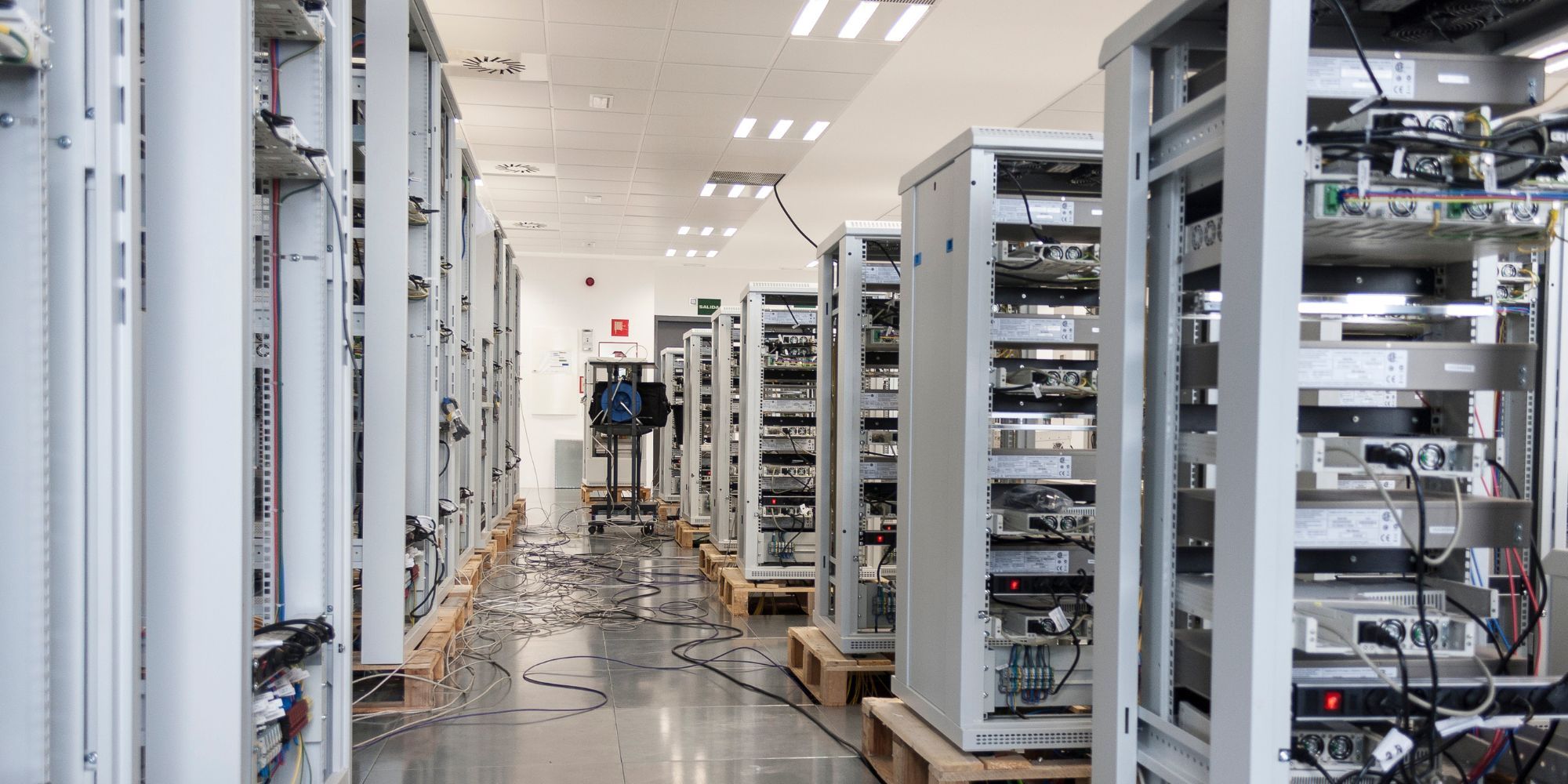
Energy consumption optimization in data centers
Data centers are now one of the cornerstones of the digital economy, and their growing scale is directly driving increased energy demand. As energy costs continue to rise, alongside growing decarbonization and environmental requirements, optimizing energy consumption in data centers has become a strategic component of IT infrastructure management.
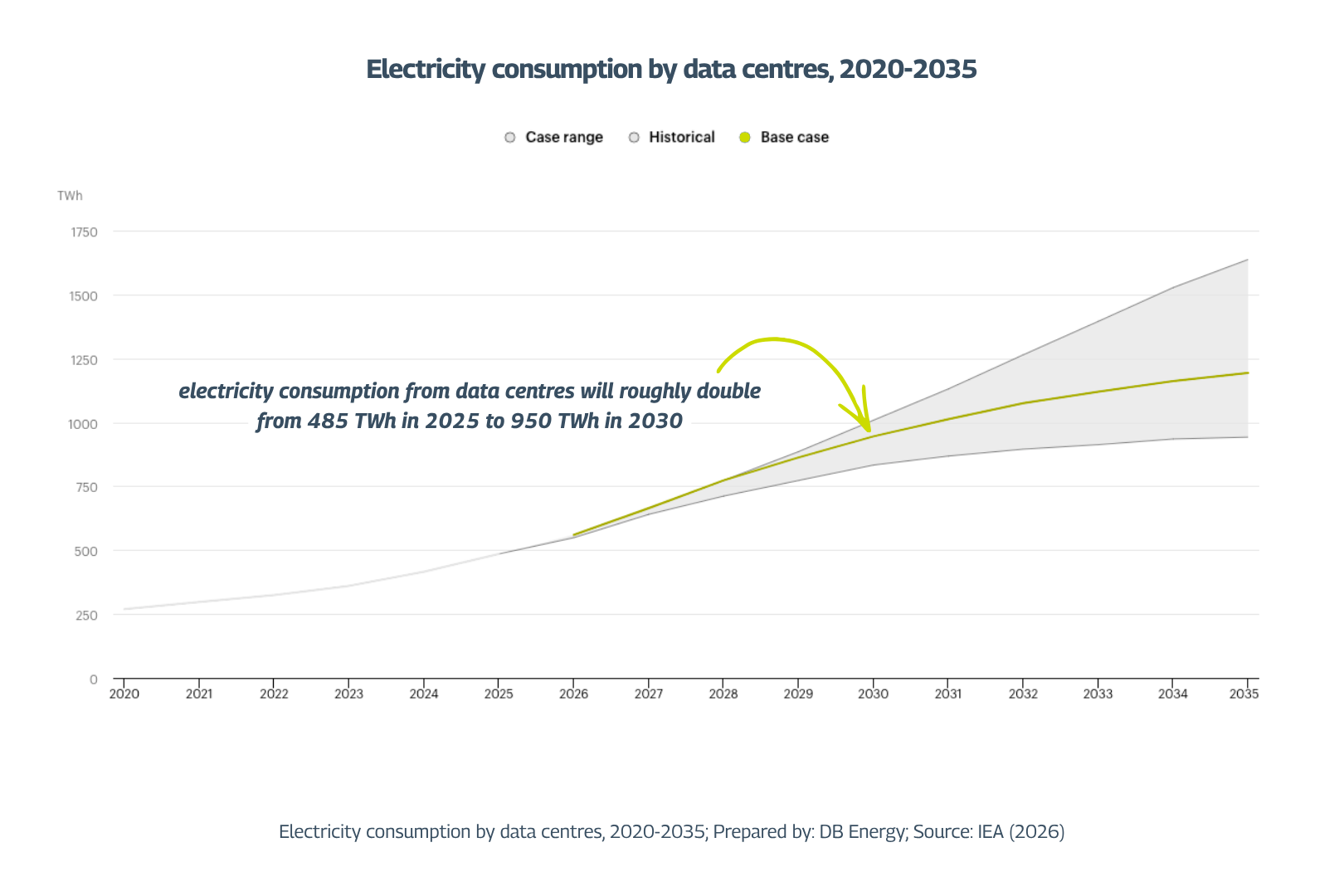
According to the International Energy Agency (IEA) data centers consumed approximately 415 TWh of electricity in 2024, accounting for around 1.5% of global electricity demand. Under its baseline scenario, the IEA projects that this figure could increase to approximately 945 TWh by 2030. As a result, energy optimization in data centers is no longer solely an operational concern but is becoming an integral part of global cost, environmental, and infrastructure strategies.
The topic is also gaining importance within the European Union. The Energy Efficiency Directive (EED) has introduced monitoring and reporting requirements for the energy performance of data centers exceeding specified energy consumption thresholds. These requirements cover, among other aspects, energy consumption data, cooling efficiency, and water usage.
How does a data center work?
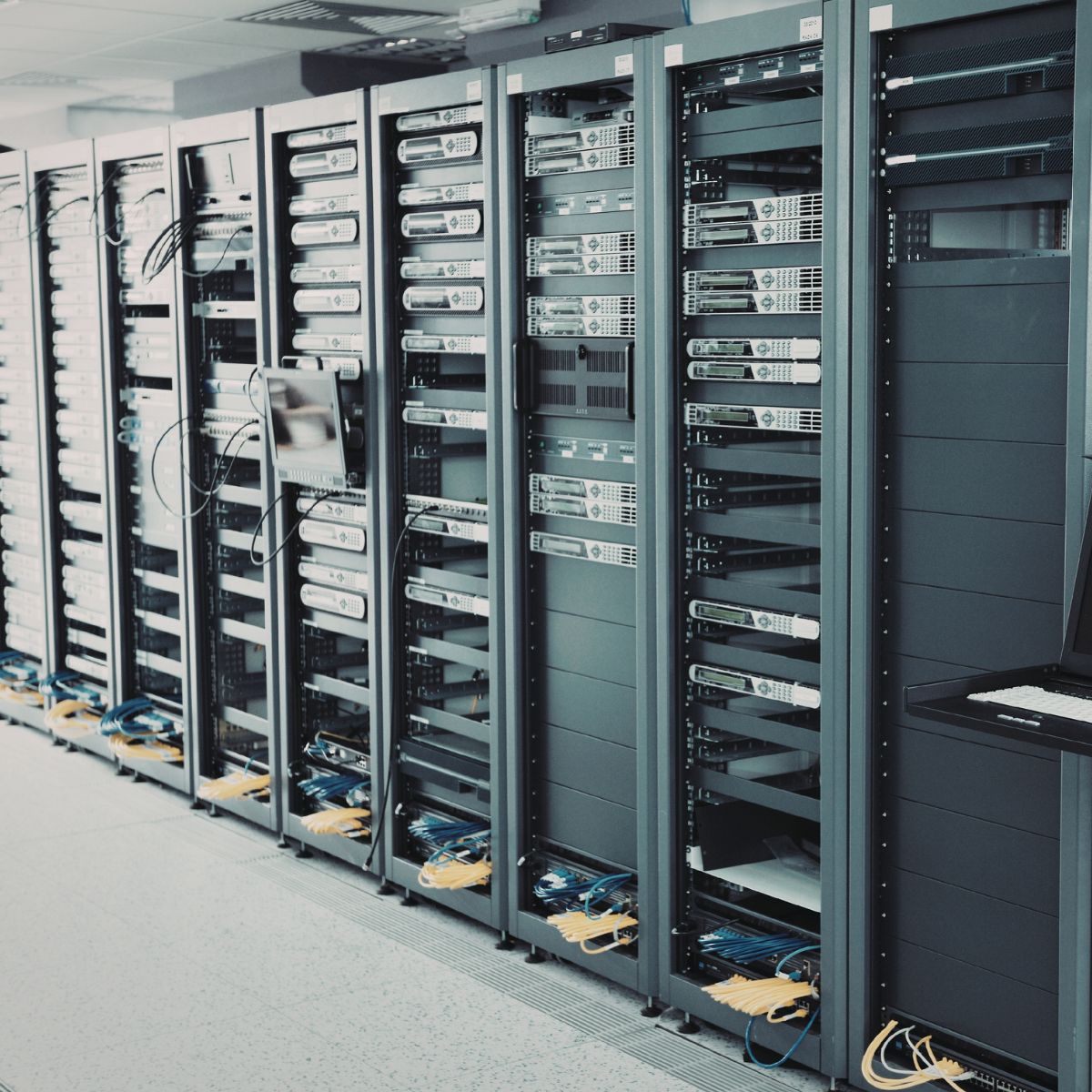
A data center is a facility designed for the continuous processing and storage of data. Its core components are servers, which perform computing operations and run applications. The IT infrastructure also includes storage systems and networking equipment responsible for data transmission.
All of these components must operate continuously - often on a 24/7 basis. In practice, this means ensuring not only adequate computing capacity but also stable environmental conditions and uninterrupted power supply. Consequently, energy consumption in a data center is driven not only by IT equipment itself but also by supporting infrastructure, primarily cooling and power systems.
Energy consumption structure in a data center
1. IT Equipment (servers, storage, and networking)
This is the primary source of energy consumption, typically accounting for 40–60% of total power demand. High power densities within rack cabinets (often exceeding 10–20 kW) generate significant amounts of heat. In AI and HPC (High-Performance Computing) environments, power densities exceeding 30–50 kW per rack are increasingly common, with even higher loads observed in specialized deployments.
A rack cabinet is a standardized enclosure used to mount and organize IT equipment such as servers, network switches, storage arrays, and UPS systems. In data centers, it serves as a fundamental infrastructure module that supports equipment organization while facilitating space management, power distribution, and airflow control.

2. Cooling systems
The second-largest energy consumer is cooling. Depending on the technology used, cooling systems may account for 30–50% of total energy consumption. In older facilities, this share can be even higher.
Cooling in a data center primarily involves removing heat generated by IT equipment, including:
- processors (CPUs and GPUs), which are the primary sources of heat generation,
- RAM modules,
- storage devices and storage controllers,
- power supplies in servers and networking equipment.
Virtually all electrical energy consumed by a server is ultimately converted into heat. As a result, the cooling infrastructure must be capable of removing nearly 100% of the power consumed by IT equipment.
3. Power infrastructure and energy losses
This category includes UPS systems (Uninterruptible Power Supply devices), transformers, power distribution systems, and conversion losses. Although individual components are relatively efficient, cumulative losses can be significant. Power infrastructure and associated losses typically account for approximately 5–15% of total energy consumption in a data center. In modern facilities utilizing high-efficiency UPS systems (≥97–98%) and optimized power distribution, this share may be closer to the lower end of the range.
Although the percentage contribution of power infrastructure is smaller than that of cooling systems, its optimization remains important - particularly in large facilities, where even a few percentage points can translate into megawatts of power and substantial operating costs.
Energy efficiency is commonly assessed using the Power Usage Effectiveness (PUE) metric, which measures the ratio of total facility energy consumption to the energy consumed by IT equipment. The closer the value is to 1.0, the lower the proportion of energy consumed by supporting infrastructure. Values in the range of 1.2–1.3 are generally considered very good, although their evaluation depends on facility type, cooling technology, and operating conditions. However, PUE alone does not capture the full environmental impact of a data center, such as energy-related emissions or water consumption.
Cooling systems - the most important area for optimization in data centers
Cooling is one of the most critical and energy-intensive systems within a data center. It largely determines how effectively a facility can remove heat generated by IT infrastructure without causing excessive increases in energy consumption. Its primary function is to maintain server operating temperatures within a range that ensures stability and reliability.

The scale of the challenge is enormous. A single rack cabinet can generate anywhere from several to several dozen kilowatts of heat, while high-density computing environments, such as AI workloads, can exceed 30–50 kW per rack. In large data centers, total thermal loads are measured in megawatts, requiring the continuous removal of vast amounts of heat energy.
The objective of cooling is not only to protect equipment from overheating but also to:
- ensure stable operating conditions (temperature and humidity),
- reduce the risk of failures and component degradation,
- maintain predictable IT equipment performance (high temperatures can reduce performance and increase the likelihood of errors),
- extend equipment lifespan.
The inlet air temperature supplied to servers is typically maintained within a range of approximately 18–27°C, while humidity is carefully controlled. Cooling systems are responsible not only for IT spaces (server rooms) but also for power infrastructure areas (UPS rooms and switchgear rooms) and other supporting equipment. In addition, the system must efficiently reject heat through components such as condensers, dry coolers, and heat exchangers.
As a result, a cooling system is not a single piece of equipment but a complex arrangement encompassing cooling sources, air or liquid distribution systems, and control systems designed to maintain thermal balance throughout the facility while minimizing energy consumption.
Precision air conditioning in data centers
The traditional and still widely used cooling approach relies on precision air conditioning systems (CRAC/CRAH), where cooled air is supplied to so-called cold aisles, while hot air exhausted from the rear of racks is directed into hot aisles.
In practice, the system operates as a closed loop: CRAC units (using direct refrigerant expansion) or CRAH units (using chilled water) remove heat from the return air coming from servers, cool it, and recirculate it back into the IT space—typically through a raised floor or ductwork system. Maintaining a controlled airflow direction (from the front to the rear of equipment) is essential.
The primary difference between CRAC and CRAH systems lies in the cooling source. CRAC systems use a local refrigerant circuit, similar to conventional air conditioning, whereas CRAH systems operate with chilled water supplied by a centralized cooling plant, such as a chiller. This typically enables higher efficiency in larger installations due to centralized optimization of chillers, pumps, and heat exchangers, as well as easier integration of free cooling technologies. The efficiency of this type of cooling system can be improved through:
- aisle containment systems that physically separate hot and cold air streams,
- reducing hot-air recirculation through sealing measures and blanking panels,
- airflow management, including fan speed control and pressure balancing.
Using free cooling in data centers
In climates such as Poland’s, it is possible to utilize free cooling, which takes advantage of low outdoor temperatures either directly or indirectly through a heat exchange system. The concept involves replacing all or part of the operation of compressor-based cooling systems with “natural” cooling. There are two main types of free cooling:
- direct free cooling – outdoor air is supplied directly to the server room after filtration and, if necessary, humidity adjustment,
- indirect free cooling – outdoor air cools an intermediate medium (such as water or air within a heat exchanger), which subsequently removes heat from the server room.
The key distinction is whether outdoor air comes into contact with the IT environment (direct free cooling) or transfers heat only through a heat exchanger (indirect free cooling). The latter is generally safer and more commonly used in larger facilities because it reduces the risk of introducing contaminants, moisture, and uncontrolled air quality fluctuations into the server environment. The primary benefit of free cooling is a significant reduction in compressor operation, as compressors are typically the most energy-intensive components of conventional cooling systems.
Liquid cooling
As power density increases, liquid cooling becomes increasingly important because it helps overcome the limitations associated with using air as a heat transfer medium. Liquids have significantly higher thermal capacity and thermal conductivity, enabling more efficient heat removal directly at the source.
- Direct-to-chip cooling works by delivering liquid—typically water or a glycol solution—to heat exchangers mounted directly on the hottest components, such as CPUs and GPUs. The liquid absorbs heat and transports it to a heat rejection system, often via a Cooling Distribution Unit (CDU) or an intermediate heat exchanger. Air cooling is still used as a supplementary method, but its role is significantly reduced,
- Immersion cooling involves fully submerging servers in a dielectric (non-conductive) fluid. Heat is removed directly from component surfaces and dissipated through fluid circulation or evaporation in two-phase systems.
While direct-to-chip cooling targets specific components and operates alongside air cooling, immersion cooling removes heat from the entire submerged server system and significantly reduces the need for conventional airflow. In practice, liquid cooling enables support for very high power densities, such as those found in AI and HPC environments, while creating opportunities to improve the overall energy efficiency of the facility—provided that the heat capture and rejection system is properly designed.
Take a step towards cost-effective decarbonization of your business
Contact usConclusion
Energy optimization in data centers primarily focuses on efficient cooling management, minimizing losses within power infrastructure, and properly integrating these systems with the operating profile of the IT infrastructure. Cooling systems - particularly in high-density environments - represent the greatest opportunity for energy savings. The selection of an appropriate cooling technology, ranging from conventional air-based systems and free cooling to advanced liquid cooling solutions, should always be aligned with the characteristics of the IT workload and the scale of the facility.
At the same time, the importance of precise control and optimization across the entire infrastructure continues to grow. Effective management of airflow, temperature, cooling system operating modes, and power efficiency enables reductions in energy consumption while maintaining the required level of reliability. In practice, this means that a modern data center is defined not only by the technologies it adopts but also by how effectively those technologies are integrated and operated - directly influencing operating costs and energy performance metrics.
Looking ahead, energy efficiency will remain one of the key competitive factors for data centers, both in terms of operating costs and environmental requirements. Integration with renewable energy sources, the continued development of liquid cooling technologies, and further optimization of power infrastructure will shape the evolution of next-generation facilities. As a result, data centers will increasingly be designed not only as energy consumers but also as active participants in the energy ecosystem, incorporating capabilities such as flexible demand management and waste heat recovery.
