
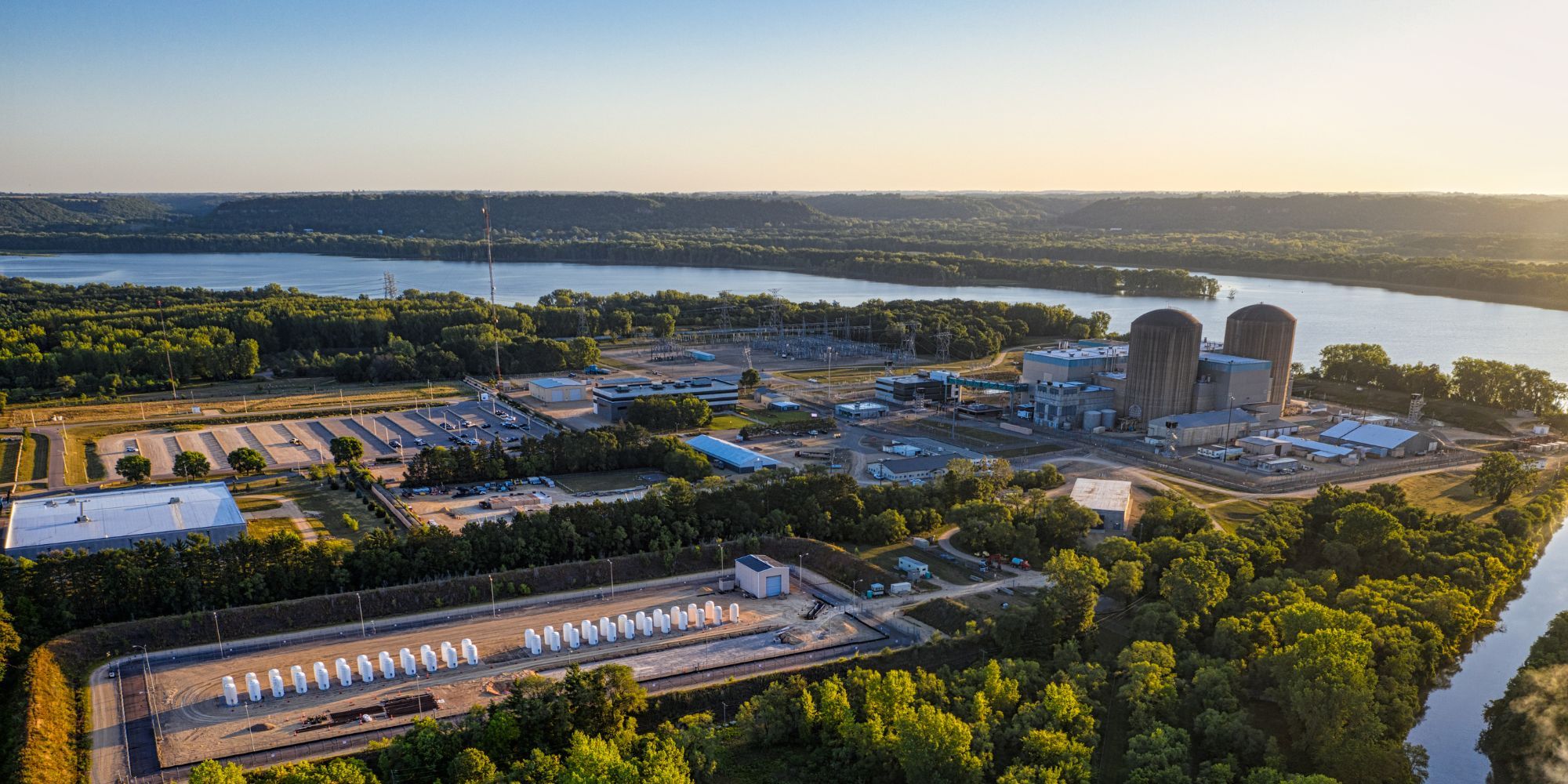
How to prepare for the implementation of cogeneration?
Cogeneration (CHP – Combined Heat and Power) is one of the more compelling technologies for improving energy efficiency in industrial facilities. The simultaneous production of electricity and heat makes it possible to significantly reduce primary energy losses, lower operating costs, and decrease CO₂ emissions. However, the technology itself does not guarantee success – proper preparation, a reliable analysis of the energy consumption profile, and a well-informed selection of capacity and operating mode are crucial. Cogeneration can substantially improve a plant’s energy efficiency and reduce costs, including capacity charges, provided it is treated as part of a broader energy management strategy rather than as a standalone technological investment.
What is cogeneration and when it makes sense in industry
Cogeneration refers to the simultaneous generation of electricity and useful heat within a single technological system. In conventional separate systems, electricity is produced in power plants and heat in boiler houses, which involves significant energy losses. In cogeneration systems, total efficiency can exceed 80–90%, provided there is a real and stable heat demand.
In industrial plants, cogeneration is primarily applicable where:
- there is a constant or predictable demand for process heat,
- electricity consumption is high and relatively stable,
- production processes operate for many hours per year,
- heat can be utilized for most of the year, not only seasonally.
A lack of heat demand is the most common cause of inefficient CHP operation and an extended payback period.
What is cogeneration and why should you implement it in your company?
Read the articePreparing for cogeneration implementation step by step
Energy consumption profile analysis
The starting point is a detailed analysis of electricity and heat consumption. This includes daily and weekly load profiles, seasonal variations in heat demand, the share of process heat, and peak power demand periods. At this stage, invoice data is insufficient – measurements and an energy audit or Walk-Through audit are required.
Determining the cogeneration operating mode
Based on the consumption profile, the unit’s operating mode is defined. Most commonly, operation is driven by heat demand, where thermal energy consumption determines the number of operating hours and electricity production. An incorrect choice of operating mode will result in low unit utilization.

Selection of cogeneration technology
At this stage, the technology is selected – a gas engine, gas turbine, steam system, or trigeneration. The choice depends on the type of fuel, heat parameters, plant scale, and existing energy infrastructure.
Unit capacity selection
Capacity selection is not about maximizing output, but about ensuring the longest possible operation at high load. The unit should match the plant’s actual demand to avoid oversizing and extending the project’s payback period.
Typical cogeneration unit – design and components

The cogeneration units most commonly used in industry are based on a conventional internal combustion engine. The engine’s drive shaft, via a gearbox, drives a synchronous generator that produces electricity. At the same time, heat from the fuel combustion process is recovered and directed to several sources – part of the energy is transferred through the engine jacket to the cooling oil, and part through an exhaust gas heat exchanger to hot water that cools the flue gases.
To increase functionality, the system can be equipped with an absorption chiller for chilled water production, enabling cogeneration to also produce cooling (trigeneration). The installation is complemented by a cooling system that optimizes unit operation and stabilizes engine and generator parameters.
Standard components of a cogeneration unit include:
- generator and grid synchronization system – ensuring stable electricity generation and cooperation with the plant grid;
- heat recovery exchangers – covering engine, exhaust gas, and oil cooling;
- control and monitoring system – enabling performance control and load optimization;
- flue gas discharge system – ensuring safe removal of combustion products;
- auxiliary installations – gas, cooling, and oil systems.
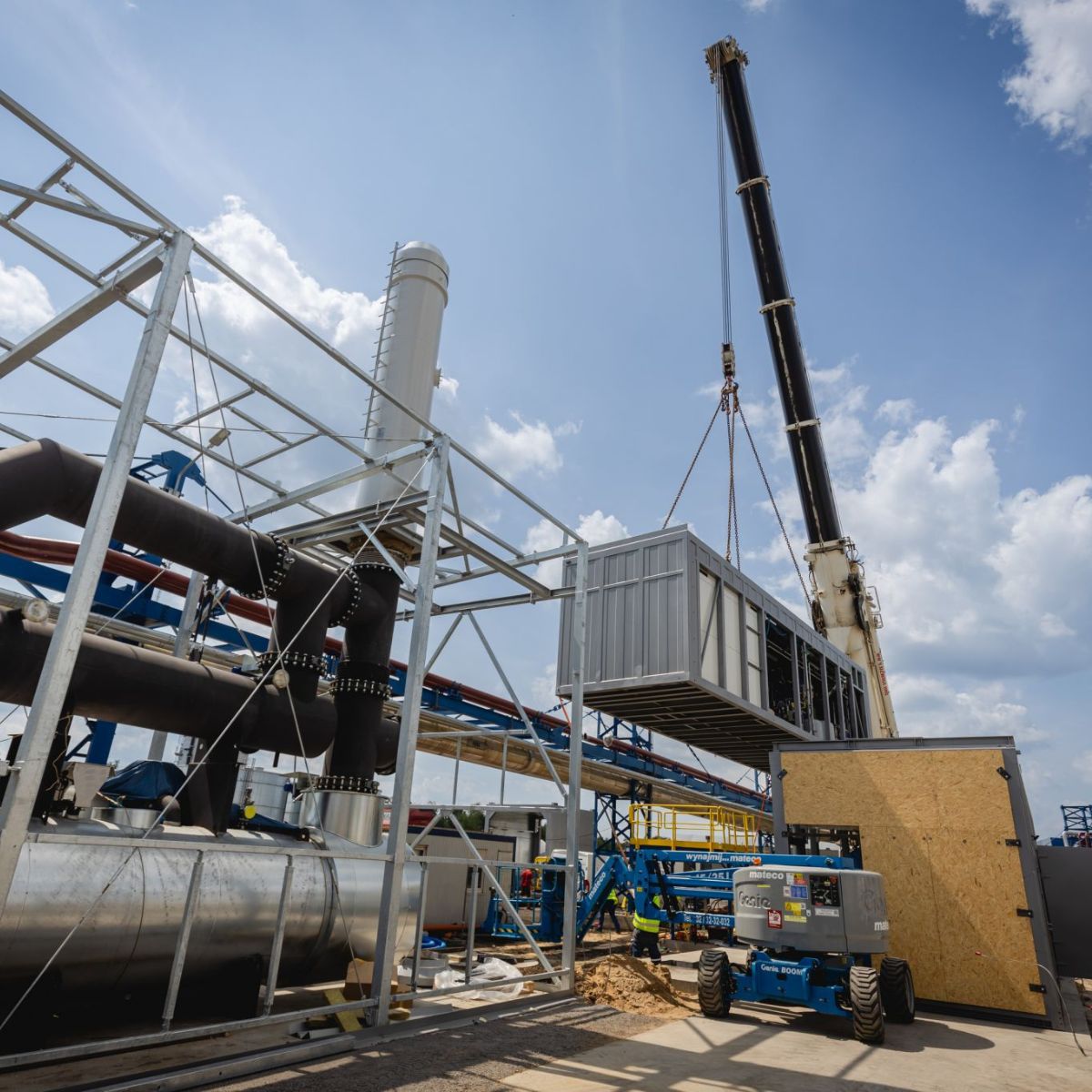
The entire unit is typically housed in a container or a dedicated technical room, which facilitates installation, servicing, and acoustic insulation. Such a configuration enables efficient, continuous production of electricity and heat, and with proper integration, also chilled water, while significantly reducing energy losses within the plant.
The impact of cogeneration on the capacity charge
One significant, yet sometimes overlooked, aspect of cogeneration implementation is its impact on the capacity charge. This charge is calculated based on the power drawn from the electricity grid during specified hours. Electricity production through cogeneration can materially reduce the power drawn from the grid, particularly during peak hours. This means that:
- reducing grid power consumption can lower the capacity charge,
- it is essential to control unit operation during hours subject to the highest rates,
- not every installation automatically generates savings – the operating strategy is decisive.
Therefore, analyzing the impact of cogeneration on the capacity charge should be an integral part of the feasibility study. One of the benefits of CHP is a significant reduction in variable distribution costs, including the capacity charge, by as much as 83%.
Feasibility study for cogeneration
Before implementing a cogeneration unit, it is necessary to prepare a feasibility study covering the plant’s technical, economic, and organizational analysis. The study forms the basis for the final CHP unit capacity selection and planning integration with existing infrastructure.
Energy analyses and CHP selection
A detailed analysis of electricity, heat, and cooling consumption allows the unit capacity to be aligned with the plant’s actual needs. The analysis includes load profiles, seasonality, and peak demand, enabling optimization of cogeneration performance and the investment payback period.
Cogeneration installation concept within the plant
The site development design includes connecting the unit to existing infrastructure, including gas, electricity, and heating networks. Drawings and connection descriptions prepared at this stage support installation planning and integration with the plant’s automation systems.
Concept for the use of generated energy
An analysis of how electricity, heat, and chilled water (in the case of trigeneration) will be used enables maximization of the plant’s energy efficiency. The study identifies which production processes or installations can utilize surplus heat, which is crucial for achieving the highest possible system efficiency.
Financial analysis of the investment
Preparing cash flow calculations for the selected technological solution enables assessment of the payback period and scenarios involving changes in energy prices. It also considers the possibility of using financial support mechanisms, which may improve project profitability.
A well-prepared feasibility study not only defines the optimal parameters of the cogeneration unit but also enables safe and efficient integration with the plant’s existing infrastructure, minimizing financial and operational risks.
Payback period and factors affecting cogeneration profitability
The payback period of a cogeneration installation depends on many variables, including fuel and electricity prices, operating hours, and the level of heat utilization. In practice, the stability of heat demand and the ability to operate the unit for a large portion of the year at high efficiency are of greatest importance. Additional factors include:
- service and operating costs,
- availability of support schemes or subsidies,
- electricity settlement methods,
- optimization of operation with respect to network charges.
Take a step towards cost-effective decarbonization of your business
Contact usSummary
Implementing cogeneration in an industrial plant is a process that requires careful preparation and multi-dimensional analysis. The technology itself, although effective in improving energy efficiency, does not deliver the expected benefits without a thorough understanding of the energy consumption profile, proper unit capacity selection, and well-planned integration with existing infrastructure. A feasibility study that considers both technical and economic aspects helps minimize risk and optimize the investment payback period, while appropriate control of unit operation enables maximum utilization of cogeneration potential.
The success of the project depends on treating cogeneration as an element of the plant’s energy strategy rather than merely a standalone technological investment. A properly designed and operated CHP system can significantly reduce energy costs, increase the plant’s energy independence, and contribute to CO2 emission reduction, while also improving energy management flexibility and the stability of production processes.
