
Industrial decarbonisation – how to reduce emissions in a cost-effective way
Industrial decarbonisation is one of the most important challenges the economy will face in the coming decades. In Poland, where the industrial sector accounts for a significant share of national greenhouse gas emissions, the energy transition is not only crucial for environmental reasons but also essential for maintaining competitiveness and cost stability across enterprises. Although decarbonisation is often associated with high investment costs, in reality - when approached with the right technological and financial strategy - it can generate substantial savings and long-term economic benefits.
What is decarbonisation?
Decarbonisation is the process of reducing or completely eliminating carbon dioxide (CO2) emissions generated by human activity, particularly in industry, energy production and transport. It involves gradually moving away from fossil fuels in favour of low- and zero-emission energy sources, as well as improving the energy efficiency of production processes. In practice, this means modernising a facility’s energy infrastructure and optimising the use of energy, heat and raw materials.
Decarbonising Polish industry
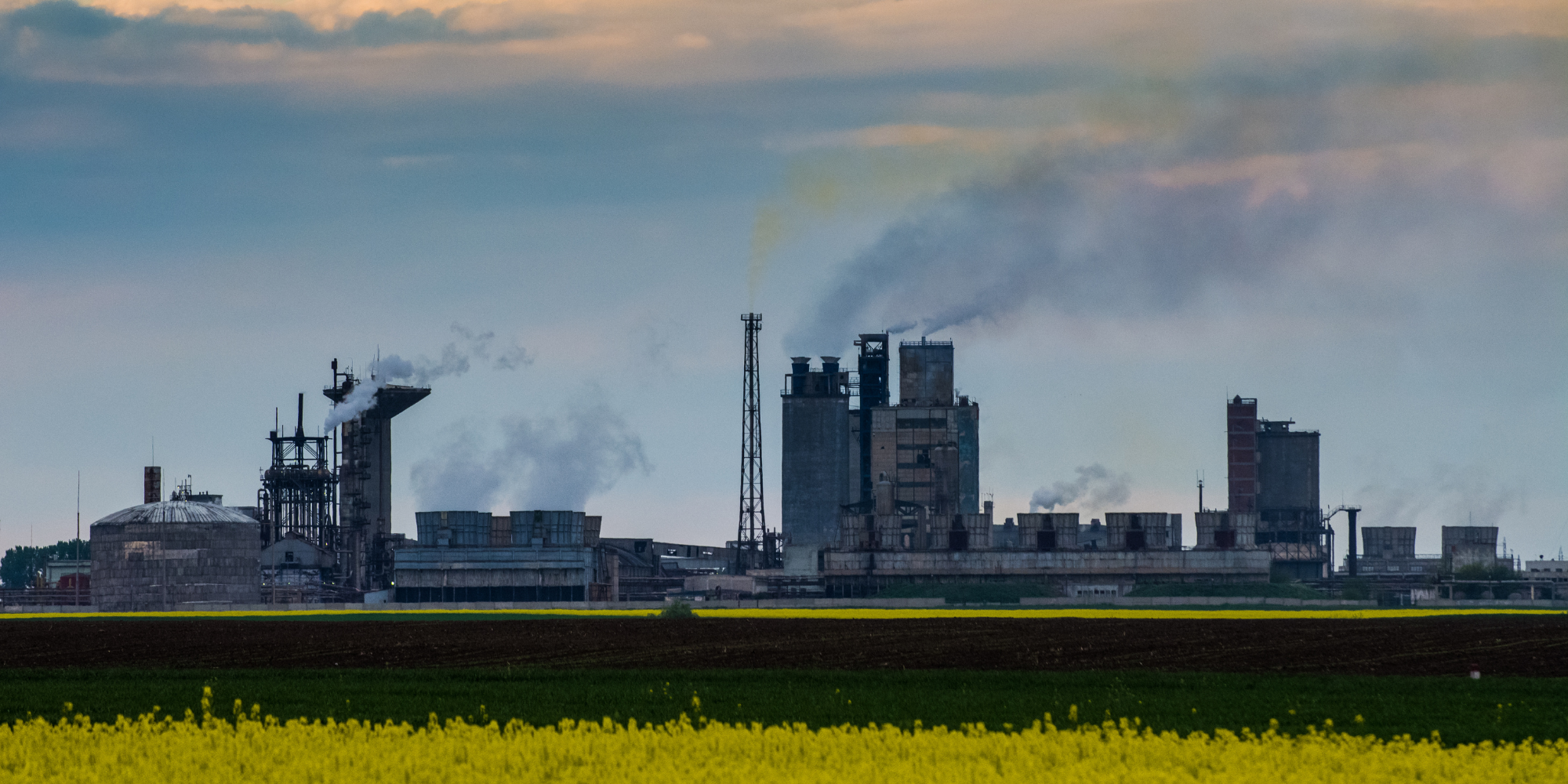
Polish industry remains heavily dependent on energy from fossil fuels—primarily coal and natural gas. As a result, the sector generates around one-third of national CO2 emissions. The main sources include fuel combustion in boilers and heating systems, as well as direct chemical processes occurring, for example, in steelmaking, cement production and the chemical industry.
Industrial decarbonisation involves gradually implementing technologies that reduce emissions across three main areas:
- lowering the energy intensity of processes, meaning improved energy efficiency,
- changing energy sources - shifting towards renewables and low-emission fuels,
- deploying CO2 reduction and capture technologies.
In practice, this translates into adopting solutions that first enhance energy efficiency, followed by those that directly reduce emissions. Key technologies in the decarbonisation landscape include heat recovery systems, high-efficiency cogeneration units, motor system modernisation, automation and digitalisation of energy processes, renewable energy installations, and CCS (Carbon Capture and Storage) and CCU (Carbon Capture and Utilisation) systems.
How to make decarbonisation cost-effective
The first step should always be a detailed energy audit of the facility, allowing companies to identify the main sources of energy losses and emissions. By analysing energy consumption data, it becomes possible to pinpoint the areas where investments deliver the best energy and economic performance. An audit therefore forms the foundation for planning actions that will generate measurable savings within a defined timeframe.

Every planned measure should be evaluated in terms of implementation costs, expected savings, and its potential to reduce emissions and energy consumption. Many modernisation projects—particularly those focused on energy efficiency—pay back within just a few years, and some even within several months. For investments with longer payback periods, companies increasingly use financial models that spread costs over time and incorporate projected CO2 price increases.
External financial support also plays an important role in increasing cost-effectiveness. EU and national programmes such as FEnIKS offer grants and preferential loans for energy efficiency and emission-reduction projects. Companies can additionally benefit from the ESCO model, where an external partner finances the project and the investment is repaid from the savings generated. This approach reduces investment risk and accelerates the moment when real financial benefits appear.
Project profitability is further improved through the smart combination of different technologies. Integrating cogeneration with photovoltaic installations, heat recovery systems and energy storage allows companies to build a stable, low-emission energy mix that is resistant to fluctuations in energy and fuel prices.
The economic impact of decarbonisation
Emission reduction and net-zero strategies are often viewed primarily as significant, unnecessary expenses - implemented mainly to comply with regulations or corporate requirements. However, by investing in energy efficiency, where reduced energy use directly translates into lower emissions, companies can cut their carbon footprint while generating substantial cost savings at the same time.
For large-scale projects such as cogeneration or heat recovery, the benefits are even greater, particularly in an environment of rising energy prices. Additional value comes from greater cost stability and improved reliability of energy supply. Facilities that can cover part of their energy demand with on-site generation gain better budgeting accuracy and become less dependent on external factors such as increases in utility prices.
The future of industrial decarbonisation
In the coming years, decarbonisation of Polish industry will accelerate. This trend is driven by rising emission costs, regulatory pressures, rapid technological development, and increasing competitive pressure from companies that have already transformed and can offer lower product prices. Over the next decade, businesses implementing comprehensive decarbonisation strategies will gain a lasting cost advantage—not through declarations but through measurable financial and environmental outcomes resulting from lower energy consumption, higher operational efficiency and reduced CO 2 emissions.
Take a step towards cost-effective decarbonization of your business
Contact usSummary
Industrial decarbonisation is a development path that combines emission reduction with improved business profitability. By leveraging modern technologies, proper planning and economic analysis, companies can treat the energy transition as a long-term element of their financial strategy. What matters most is basing decisions on reliable measurement data and a pragmatic approach to energy efficiency—because decarbonisation, when done wisely, simply pays off.
