
What you need to know about SMRs – small modular reactors
Small modular reactors (SMRs) are one of the most advanced solutions in nuclear energy, gaining increasing interest worldwide. In an era of global energy transformation and efforts to reduce carbon dioxide emissions, SMRs offer unique opportunities for flexible, safe, and efficient power generation. In this article, we take a closer look at what SMRs are, their advantages and disadvantages, where they can be used, the costs associated with their construction, and the permits required to carry out such projects.
What are SMRs?
Small modular reactors are compact nuclear units with a capacity ranging from a few to several hundred megawatts, designed to meet energy needs in a more flexible way than traditional large nuclear power plants. Their modular construction allows for serial production in factories and subsequent transport to the installation site, which significantly reduces construction costs and shortens project implementation time. SMRs stand out for their use of advanced technologies, such as passive safety systems, which minimize the risk of failure. Thanks to this, they can be installed in locations where the construction of traditional reactors would be impossible or unprofitable.
Where will SMRs be effective?
SMRs are being considered as a solution in many different applications. They can power smaller energy networks, so-called microgrids, or complement large power systems by providing stable electricity supply. They are suitable for producing heat used in industrial processes, such as hydrogen production or water desalination. They can also be installed in remote areas, such as islands, arctic regions or distant settlements, which lack access to large energy networks. Moreover, SMRs can replace coal or gas power plants in regions aiming to reduce carbon dioxide emissions while ensuring energy supply stability.
Advantages of small modular nuclear reactors
SMRs offer a number of benefits that make them an attractive solution for many countries and industrial sectors:
- flexibility – modular design allows for adjusting the plant’s capacity to local energy needs,
- safety – modern technologies, such as passive cooling systems, eliminate the risk of failures caused by human error or power outages,
- lower initial costs – building SMRs is cheaper than constructing traditional large nuclear power plants,
- short construction time – factory production and modular installation enable faster unit commissioning,
- scalability – the ability to add more modules as energy demand increases,
- application in remote locations – lower infrastructure requirements allow installation in hard-to-reach places.
Disadvantages and challenges of SMRs
Although SMRs have many advantages, there are also several challenges and limitations associated with their implementation:
- unit costs – although construction costs are lower, the cost of energy production per unit of power may be higher than in large reactors,
- lack of operational experience – SMR technology is only gaining popularity, and the number of operating units is limited,
- regulatory issues – many countries need to develop new standards and certification procedures for SMRs,
- financing – despite lower initial costs, financing nuclear projects remains a challenge,
- public reluctance – Europeans are still concerned about the safety of nuclear reactors due to the Chernobyl and Fukushima disasters.
Construction and operating costs of SMRs
The costs associated with SMR construction include both capital expenditures and later operating expenses. It is estimated that the construction cost of SMRs ranges from 3,000 to 8,000 USD per kilowatt of installed capacity. The final amount depends on the chosen technology, project location, and its specifications. Operating costs include expenses for nuclear fuel, maintenance, and radioactive waste management. Due to the smaller reactor size, operating costs may be lower compared to traditional nuclear power plants. An important element is also insurance costs, which depend on regulatory requirements and the specifics of the given project.
Permits required to build a modular nuclear reactor
The implementation of an SMR project requires obtaining a number of permits and going through a complex regulatory process, which varies depending on the country. This usually includes obtaining a site license, which approves the construction location in terms of safety, spatial planning, and environmental protection. Next, a construction license is required, covering technical designs and compliance with applicable regulations. Before commissioning the reactor, an operational license confirming compliance with safety standards is needed. A key part of the process is also the environmental impact assessment (EIA), which analyzes the potential impact of the investment on the natural environment.
Take a step towards cost-effective decarbonization of your business
Contact usSMR technology in Europe
There are no fully operational commercial SMRs in Europe yet, but many countries are actively working on implementing this technology. Several research and development projects and plans to build SMRs exist:
When will SMRs appear in Poland?
Poland is considering the use of SMRs as part of its energy transition and replacement of coal-fired power plants. Companies such as Orlen Synthos Green Energy and KGHM are collaborating with international partners, including GE Hitachi, to introduce SMR technology. The first units may be installed in Poland around 2030. According to Orlen’s plans, the first 100 small nuclear reactors will be commissioned before 2040.
DB Energy is also active in this area. Under a framework agreement signed in 2023 with the American company Last Energy and the Legnica Special Economic Zone, DB Energy will participate in the construction of 10 small nuclear reactors in the Legnica Economic Zone.
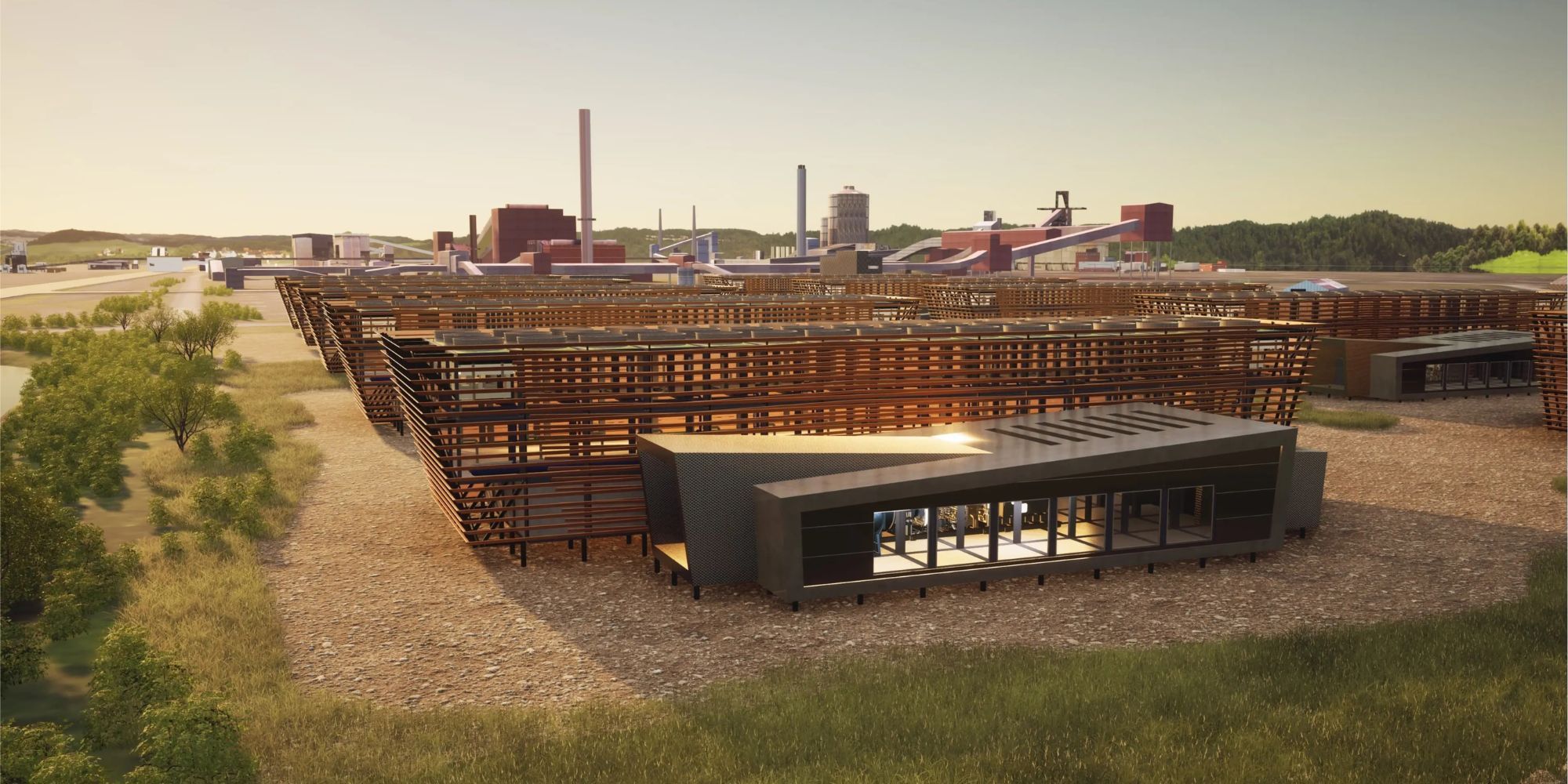
Last Energy bases its solutions on proven pressurized water reactor (PWR) technology, commonly used in many power plants around the world. Their modern approach involves full modularity and prefabrication of all power plant components, including the reactor housing. Components are manufactured in factories and then transported to the target site for quick assembly. As a result, the construction process is significantly shortened – from contract signing to commissioning can take just 24 months. Additionally, the modular design allows for scaling capacity by adding more 20 MWe units, enabling flexible adaptation to growing energy needs.
United Kingdom
The United Kingdom is a European leader in SMR development. Rolls-Royce is developing an SMR project with a capacity of around 470 MW, and the British government has financially supported this program. The first Rolls-Royce reactors are expected before 2035.
France
France, with its extensive nuclear infrastructure, plans to develop SMRs as part of its low-emission energy strategy. EDF is working on the NUWARD™ project, which is to be a European modular reactor proposal with a capacity of 170 MW.

Czech Republic
The Czech Republic is considering SMRs as a potential complement to its energy system. The company ČEZ is exploring the possibility of installing such reactors, including in industrial plants.
Romania
Romania has signed an agreement with the United States to build SMRs based on NuScale technology. The pilot project is to be carried out on the site of a former coal-fired power plant.

Small modular reactors (SMRs) are a breakthrough technology that will become an important step in the development of energy systems. Their flexibility and scalability allow adaptation to the specific needs of companies, while assembly from prefabricated components and the small size of nuclear blocks facilitate project execution. Moreover, SMRs, thanks to their independence from weather conditions, offer an attractive alternative to renewable energy sources, providing stable low-carbon energy supplies. In the long term, SMRs may become the foundation of sustainable energy development.
SMRs represent a promising solution in the era of global energy transition. Their potential to replace coal-fired power plants, flexibility of application, and ability to be installed in various conditions make them an attractive choice for countries and companies seeking stable and environmentally friendly energy sources. Their success will depend on the ability to overcome regulatory and societal challenges. The Chernobyl disaster in 1986, as well as the more recent events in Fukushima in 2011 and Germany’s attempt to exit nuclear power, have left a deep mark on public consciousness, affecting the perception of nuclear energy. Many people still feel concerns about the safety of nuclear reactors, which often results in reluctance to build them. Despite the high level of safety offered by modern technologies, it is difficult to completely eliminate social fears rooted in the past.
