
Energy storage in industry – implementation and use cases
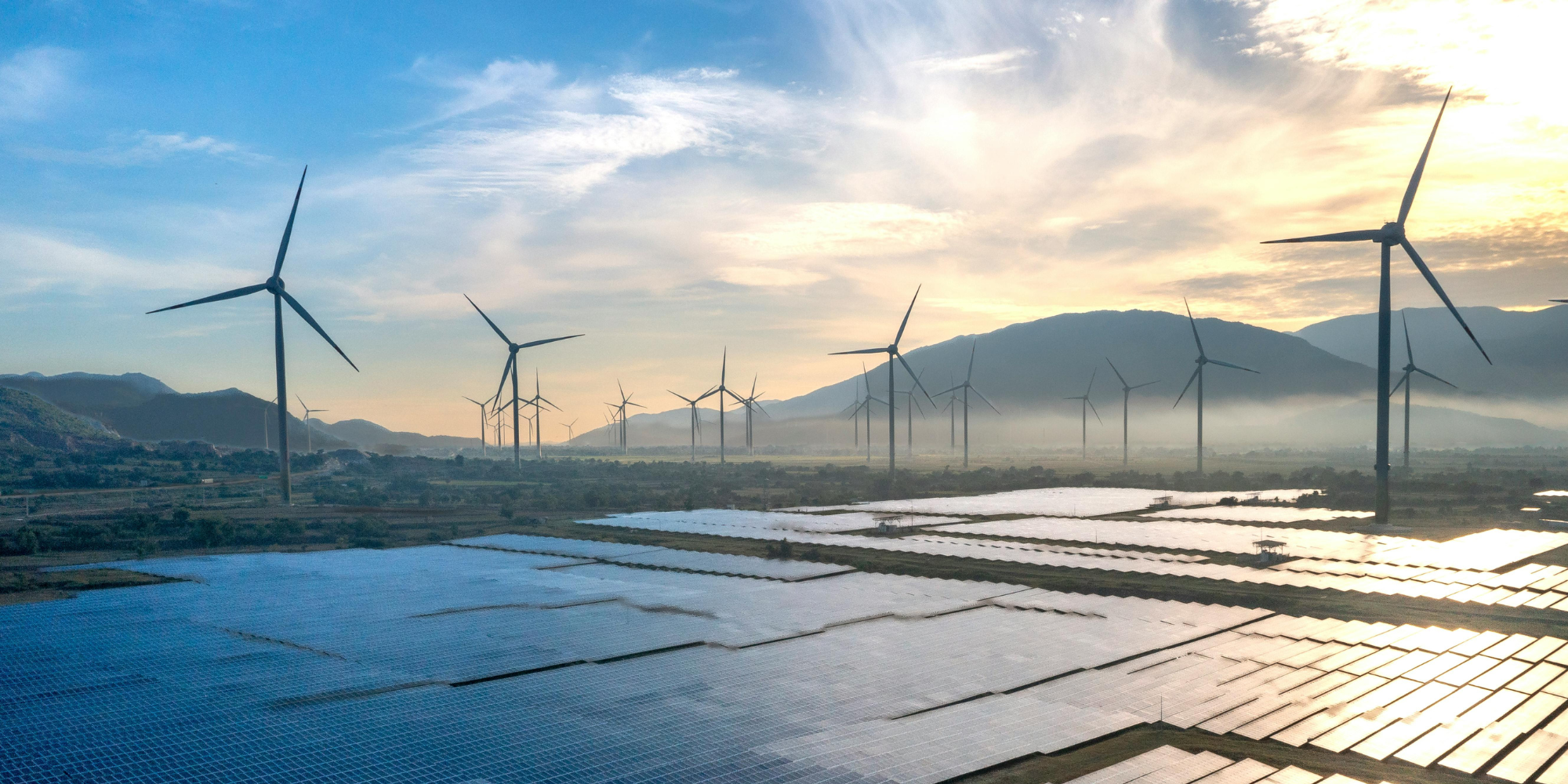
As the share of renewable energy sources in companies’ energy mixes continues to grow, energy storage systems are becoming increasingly important as a tool for improving the efficiency of energy use, supply stability, and operational flexibility. Energy storage is no longer merely an add-on to renewable installations – it is increasingly becoming a core component of energy infrastructure, enabling cost reductions, limiting the impact of volatile energy prices on operations, and supporting the achievement of net-zero targets.
What is an energy storage system?
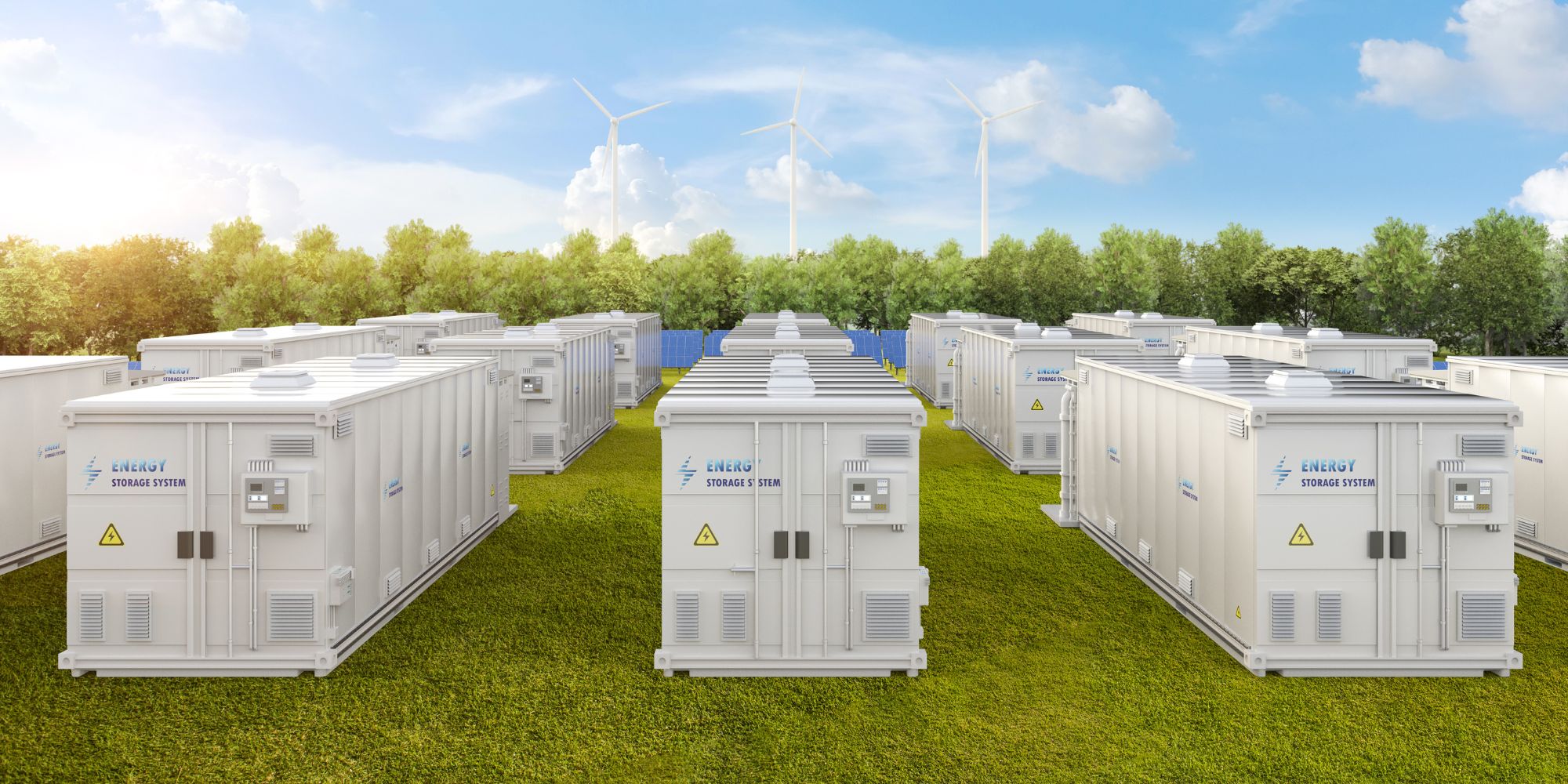
An energy storage system is an installation that allows electrical energy to be stored and discharged when needed – during peak demand periods, when energy prices are unfavorable, in the event of a power outage, or to increase on-site consumption of renewable energy. In industrial applications, lithium-ion battery systems (BESS – Battery Energy Storage Systems) are the most used technology, although thermal storage and flow batteries are also applied in selected use cases. An energy storage system comprises not only the batteries themselves, but also inverters, protection systems, control systems, and EMS software responsible for optimizing system operation.
Energy storage in Polish industry

In Polish industrial facilities, electricity is used intensively and often unevenly – load fluctuations, a large number of high-power receivers, and multi-shift operation all contribute to the occurrence of power peaks. As a result, companies incur high costs related to contracted capacity and capacity charges, while also being exposed to the risk of shutdowns and technological interruptions in areas with overloaded energy infrastructure. At the same time, more and more companies are investing in photovoltaic or wind installations, whose generation profiles do not always match consumption patterns. Energy storage systems address these challenges by capturing surplus energy, reducing grid intake during peak periods, and stabilizing the operation of electrical systems.
In practice, implementations focus on three main areas: peak power reduction, changes in the power supply model through integration with renewable sources, and the use of technologies that enhance the stability of the energy system. Energy storage systems are a natural complement to photovoltaics and cogeneration, and in many cases they become the element that integrates different sources into a coherent, well-managed system.
In areas with weak energy infrastructure – such as plants located outside main transmission networks or facilities in remote regions – energy storage systems make it possible to:
- maintain production during outages,
- limit short-term grid overloads during equipment start-up,
- shorten technological downtimes,
- together with on-site generation sources, enable stable operation and development of industrial facilities.
Increasingly, such companies opt for hybrid solutions: RES + energy storage + generator or cogeneration, which ensure energy resilience even during prolonged grid outages.
Use of energy storage in an industrial facility
A common function of energy storage systems is peak shaving and smoothing the energy consumption profile, which reduces contracted capacity costs and capacity charges. Another key application is increasing on-site consumption of renewable energy – the storage system charges during periods of high generation and discharges when the plant needs energy most. In facilities with high requirements for supply continuity, the storage system acts as a buffer, protecting against short-term voltage dips and preventing production line downtime.
Energy storage systems can also participate in ancillary services markets, providing energy to the system operator to help stabilize the national power grid. In Poland, this market is still developing, but in the future it may become a significant element of the business model for such installations.
How to plan the implementation of an energy storage system?
Proper investment planning requires an analysis of the plant’s energy consumption profile, including the identification of peak demand periods, renewable energy surpluses, and potential power quality issues. In most cases, the first step is an energy audit combined with on-site measurements, allowing for the determination of optimal power (kW), capacity (kWh), connection method, and system operating strategy.
External financing sources play an important role in improving investment profitability. Programs such as FEnIKS enable companies to obtain funding for projects aimed at improving energy efficiency and reducing emissions. More and more companies also use the ESCO model, in which an external partner finances the investment and the company repays it from achieved savings. This approach reduces risk and facilitates the implementation of solutions with longer payback periods.
Economic and operational benefits
Energy storage systems deliver both cost reductions and improved reliability of plant operations. Lower distribution charges, better alignment of consumption with renewable generation, and the avoidance of costly downtime translate into tangible economic benefits. An additional advantage is cost stability – companies can plan their energy budgets more effectively, while on-site energy resources reduce exposure to price volatility.
Operational benefits include improved power quality, reduced risk of equipment failures, extended asset lifetimes, and increased resilience to grid disturbances. When combined with PV or cogeneration systems, energy storage creates a flexible, low-emission energy mix that supports productivity and environmental objectives.
How to integrate an energy storage system with existing installations?
The complexity of implementing an energy storage system in an industrial facility depends primarily on the characteristics of the site, production scale, and selected storage technology. The most critical stage is a detailed analysis of the energy consumption profile, as no storage system will operate efficiently unless it is aligned with the plant’s actual needs. This requires collecting data on average and peak consumption, load variability, potential for reducing contracted capacity, and production development plans for the coming years. Analyses are typically based on several months of data, and the more complex the facility, the more important precise identification of critical points becomes.
A significant part of the design process also involves defining the functions the storage system is expected to perform. Such installations may be used for peak shaving, backup operation, power quality stabilization, or increasing renewable self-consumption. There is no single solution that can effectively achieve all these objectives at once, which is why selecting the appropriate power, capacity, and operational priorities is crucial. These parameters ultimately determine the system’s economic and technical performance.
Energy storage systems are subject to building regulations, energy law, and fire safety requirements. In many locations, it is necessary to obtain opinions from fire safety experts, building permits, approvals from the distribution system operator, or prepare environmental documentation. The time required to complete the full permitting process ranges from several weeks to several months, depending on the type of facility and the scale of the planned investment.
RES + CHP + BESS hybrid solutions
Integrating energy storage with renewable installations and cogeneration units enables the creation of a flexible, local energy system in which individual sources complement one another. In PV systems, storage absorbs surplus energy generated during periods of low demand and releases it during higher consumption, reducing both energy exports to the grid and the need to activate backup sources.
When combined with cogeneration, energy storage can stabilize the operation of the generating unit, allowing it to run at its optimal efficiency point regardless of short-term fluctuations in electricity demand. Electricity produced by cogeneration can be temporarily stored and used during peak periods, while heat production remains aligned with the plant’s process requirements. Such solutions increase the utilization of on-site energy sources, improve the facility’s energy balance, reduce emissions and operating costs, and enhance resilience to grid constraints and external disturbances.
Take a step towards cost-effective decarbonization of your business
Contact usSummary
The growth of renewable energy sources and the limited stability of the power system mean that energy storage is no longer an experimental solution and is increasingly becoming part of industrial companies’ energy strategies. In Poland, energy storage systems primarily play a stabilizing role, as many plants face the risk of production interruptions and renewable energy surpluses. A properly designed system can shorten the payback period of renewable investments, reduce operating costs, and improve a facility’s energy security.
